
Related Articles


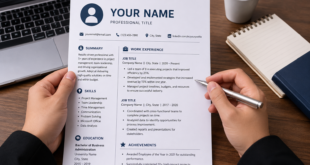
A job interview can feel stressful, especially when you really want the position. I believe the best way to reduce interview stress is to prepare properly before the interview day. Good preparation does not mean memorizing every answer. It means understanding the company, knowing your strengths, reviewing the job requirements, and being ready to communicate your ideas clearly.
In my experience, preparation can make a big difference in confidence. When you know what you are talking about, you naturally feel more comfortable during the conversation. Whether you are a fresh graduate, a student, or someone with years of professional experience, learning how to prepare for a job interview can help you make a stronger impression.
Understand the Job Description
The first step in job interview preparation is to carefully read the job description. Many candidates focus only on the company name and job title, but the job description contains important information about what the employer actually wants.
Look at the required skills, responsibilities, qualifications, and experience. Identify the skills that match your own background. Think about examples from your education, projects, internships, volunteer work, or previous jobs that demonstrate those skills.
For example, if the employer wants someone with good communication skills, prepare an example that shows how you communicated effectively with a team or completed a presentation successfully.
This approach makes your interview answers more relevant and shows the interviewer that you understand the position.
Research the Company
Company research is another important part of preparing for a job interview. Before attending the interview, learn about the company’s products, services, industry, values, and recent activities.
Visit the company’s official website and read its About section. Check its social media pages and professional profiles if appropriate. Try to understand what the company does and what type of people it may be looking for.
I think company research is especially useful when the interviewer asks, “Why do you want to work with us?” Instead of giving a general answer, you can explain what interests you about the company and how your skills could contribute to its goals.
Good research also helps you ask intelligent questions at the end of the interview.
Review Your Resume
Your resume is one of the most important documents in a job interview. Everything you mention on your resume should be something you can confidently discuss during the interview.
Read your resume carefully before the interview. Review your education, skills, projects, certifications, internships, achievements, and work experience.
Be prepared to explain any important point on your resume. If you mention a particular skill, think about how you have used it. If you mention a project, remember what your role was, what you learned, and what result you achieved.
I would also recommend checking your resume for simple mistakes before applying for jobs. A clear and professional resume creates a better first impression.
Practice Common Interview Questions
One of the best ways to prepare for a job interview is to practice common interview questions. You do not need to memorize complete answers. Instead, understand the main points you want to communicate.
Some common job interview questions include:
“Tell me about yourself.”
“Why do you want this job?”
“What are your strengths?”
“What is one weakness you are working on?”
“Why should we hire you?”
“Where do you see yourself in the future?”
“Why do you want to work for our company?”
“Tell me about a challenge you faced.”
“How do you handle pressure?”
“Do you prefer working independently or with a team?”
Practicing these questions can make it easier to organize your thoughts during the actual interview.
Prepare Your Introduction
The “Tell me about yourself” question is often asked at the beginning of an interview. For many candidates, this can be difficult because they do not know where to start.
I believe a good introduction should be short, professional, and related to the position.
You can briefly talk about your education or current role, your relevant skills, your experience or projects, and why you are interested in the opportunity.
For example, a recent graduate could explain their educational background, mention relevant skills or projects, and then explain why they are interested in starting their career in that particular field.
Avoid sharing too many personal details. The goal is to give the interviewer a clear picture of who you are professionally.
Use Real Examples
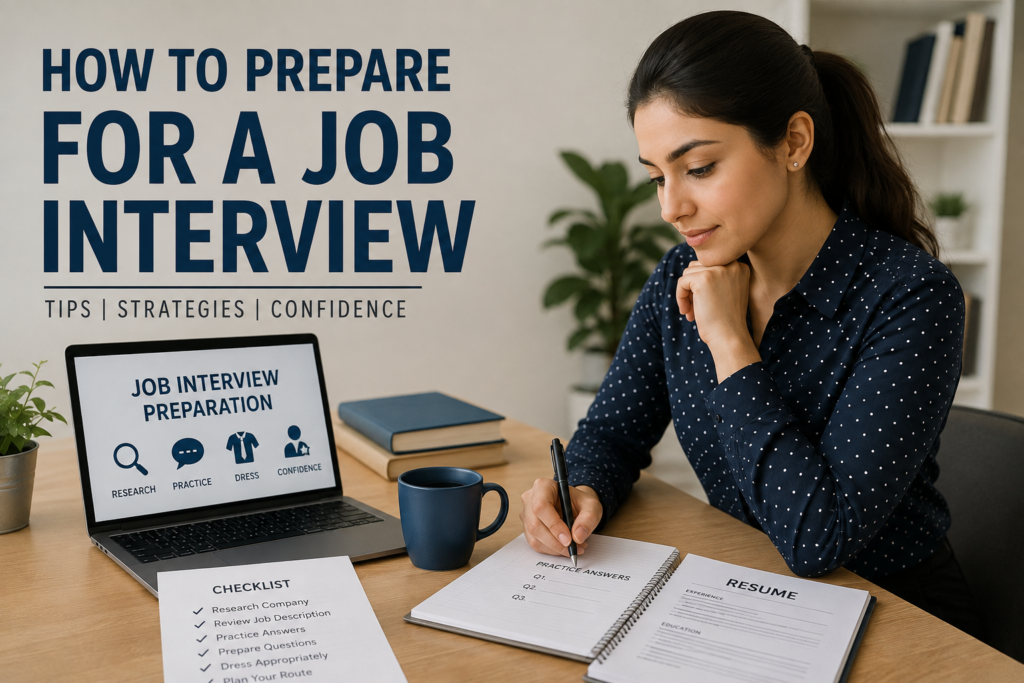
When answering interview questions, real examples can make your answers much stronger. Instead of simply saying that you are hardworking or good at teamwork, explain a situation where you demonstrated these qualities.
One useful method is the STAR method. STAR stands for Situation, Task, Action, and Result.
First, explain the situation. Then describe the task you needed to complete. After that, explain the action you personally took. Finally, describe the result.
For example, if an interviewer asks about teamwork, you can describe a university project where you worked with other students. Explain your responsibility, how you contributed, and what the team achieved.
This makes your answer more believable and easier for the interviewer to understand.
Prepare Questions for the Interviewer
A job interview is not only an opportunity for the employer to learn about you. It is also an opportunity for you to learn about the company and the position.
At the end of many interviews, the interviewer may ask if you have any questions. Saying “No, I have no questions” can sometimes make you appear less interested.
Prepare two or three thoughtful questions before the interview.
You could ask:
“What would success look like in this position during the first few months?”
“What does a typical day in this role look like?”
“What are the main challenges someone in this position may face?”
“What opportunities are available for learning and professional development?”
These questions can show that you are genuinely interested in the opportunity.
Choose Professional Interview Clothes
Your appearance can contribute to your first impression. The appropriate clothing depends on the company, industry, and position, but professional and clean clothing is usually a safe choice.
Make sure your clothes are clean, comfortable, and suitable for the workplace. Avoid wearing something that makes you uncomfortable because discomfort can affect your confidence.
Pay attention to basic grooming as well. Your overall appearance should show that you have taken the interview seriously.
Plan Your Interview Location and Time
Being late for an interview can create unnecessary stress. I recommend planning your route before the interview day.
If the interview is in person, check the location and estimate how long it will take to get there. Try to arrive around ten to fifteen minutes early.
If the interview is online, check your internet connection, camera, microphone, and interview platform beforehand. Choose a quiet place with good lighting and a clean background.
It is also a good idea to keep your resume and important notes nearby during an online interview.
Work on Your Body Language
Communication is not only about words. Body language can also influence how you are perceived.
During an interview, try to sit comfortably and maintain good posture. Make appropriate eye contact and listen carefully when the interviewer is speaking.
Avoid constantly checking your phone, looking around the room, or interrupting the interviewer.
A natural smile can also help create a friendly impression. You do not need to force yourself to appear extremely confident. The goal is to look attentive, professional, and comfortable.
Be Honest About Your Experience
If you are a student or recent graduate and do not have much professional experience, do not try to create experience that you do not have.
Instead, focus on what you have learned through education, projects, internships, volunteering, or personal development.
For example, you can say that although you are at the beginning of your career, you are willing to learn, take responsibility, and improve your skills.
Employers understand that entry level candidates may not have years of experience. What can matter is your attitude, willingness to learn, communication skills, and ability to adapt.
Prepare for Difficult Questions
Some interview questions can make candidates uncomfortable. The best approach is to remain calm and answer honestly.
If you are asked about a weakness, do not choose a weakness that makes you unsuitable for the position. Instead, mention an area you are genuinely working to improve and explain what you are doing about it.
If you are asked about a mistake, focus on what you learned from it. Employers often want to understand how you respond to challenges rather than whether you have ever made a mistake.
Do not speak negatively about previous employers, teachers, colleagues, or organizations. Keep your answers professional and focused on your own growth.
Stay Calm Before the Interview
Even with good preparation, feeling nervous before a job interview is completely normal. I think the key is to use preparation to turn nervousness into confidence.
Before the interview, take some time to relax. Get enough sleep, eat properly, and avoid rushing at the last moment.
Remind yourself that an interview is a conversation about whether your skills and interests match the position. You do not need to give perfect answers to every question.
If you do not understand a question, it is completely acceptable to politely ask the interviewer to repeat or clarify it.
Follow Up After the Interview
Your preparation does not necessarily end when the interview finishes. If appropriate, sending a short professional thank you message can help maintain a positive impression.
Thank the interviewer for their time and mention that you appreciated the opportunity to learn more about the position.
Keep the message simple and professional. There is no need to write a very long email.
Final Thoughts
Learning how to prepare for a job interview is an important skill for anyone looking for employment. From my point of view, the most important part is not memorizing answers. It is understanding the job, researching the company, reviewing your resume, practicing common questions, and preparing examples that show your abilities.
Good preparation can help you communicate with more confidence and reduce unnecessary stress. Even if you do not get the job, every interview can teach you something valuable about communication, professional expectations, and your own strengths.
Remember that you do not have to be perfect to perform well in a job interview. Be honest, stay professional, listen carefully, and show genuine interest in the opportunity. With practice and preparation, you can become more comfortable with interviews and improve your chances of making a strong impression.