Related Articles
Graduation is an important milestone in every student’s life, but I believe earning a degree is only one part of becoming ready for the future. The real value of education also comes from the skills we develop along the way. A student may have excellent grades, but without communication, problem solving, time management, digital literacy, and other practical abilities, adjusting to professional and personal life can become difficult.
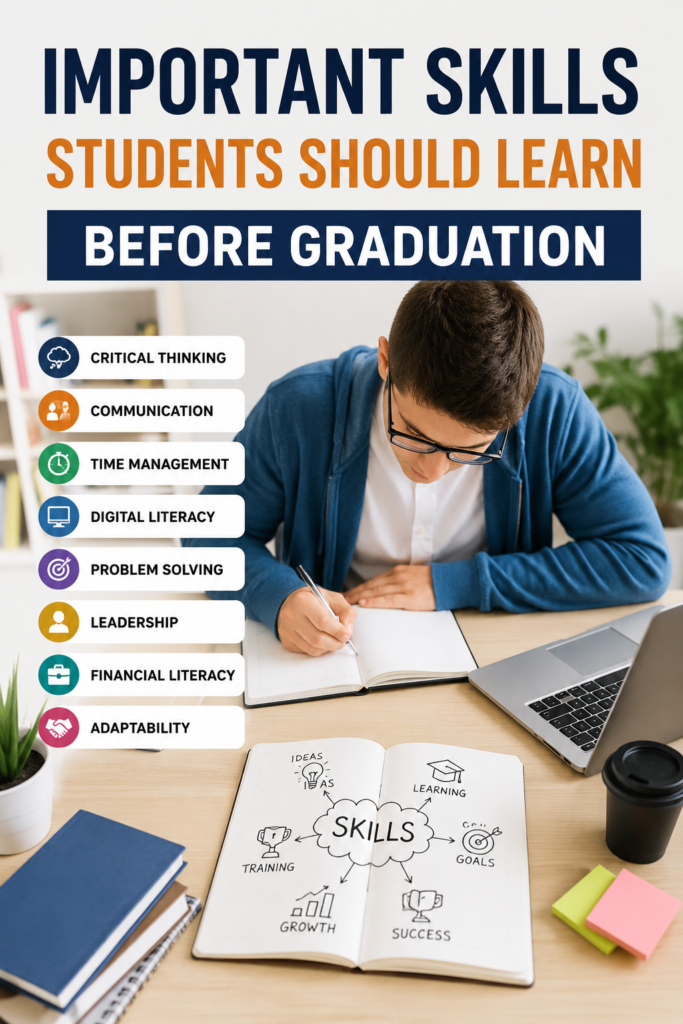
In my view, students should use their college or university years not only to complete their courses but also to prepare themselves for real world challenges. The following are some of the most important skills students should learn before graduation.
1. Communication Skills
Communication is one of the most important skills students should learn before graduation. Whether a person is applying for a job, giving a presentation, attending an interview, working with a team, or simply talking to others, good communication makes a major difference.
Students should learn how to express their ideas clearly and confidently. This includes speaking, writing, listening, and understanding nonverbal communication.
I believe students should practice communication regularly instead of waiting until they enter the workplace. Participating in class discussions, giving presentations, writing professional emails, and working on group projects are simple ways to improve communication skills.
Good communication does not mean using complicated words. It means making your message easy to understand while also listening carefully to other people.
2. Time Management
Time management is another essential skill every student should develop before graduation. Students often have to balance classes, assignments, examinations, personal responsibilities, social activities, and sometimes part time work.
Without proper time management, even simple tasks can become stressful.
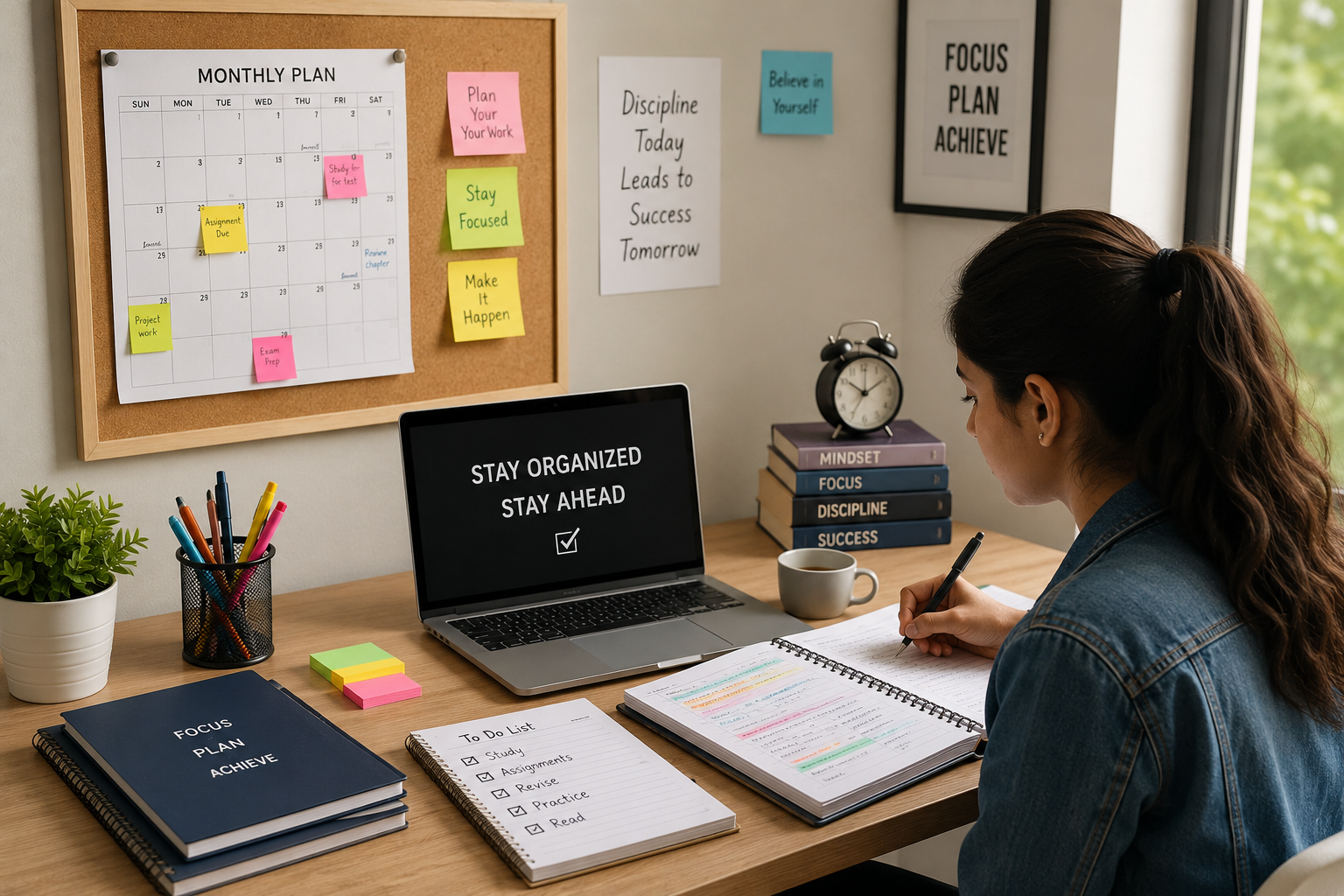
In my experience, students can improve time management by creating realistic schedules and setting priorities. Instead of trying to complete everything at the last moment, it is better to divide large tasks into smaller steps.
Using a calendar, planner, or digital task manager can also help. The main goal is to understand where your time is going and make better decisions about how to use it.
Time management is especially valuable after graduation because professional life usually requires people to manage multiple responsibilities at the same time.
3. Critical Thinking
Critical thinking helps students analyze information instead of accepting everything they hear or read without question. This skill is useful in education, careers, relationships, and everyday decision making.
Students should learn how to compare different sources, identify reliable information, ask meaningful questions, and consider different points of view.
I believe critical thinking becomes stronger when students develop the habit of asking why and how. When studying a topic, do not simply memorize information. Try to understand the reason behind it and think about how it can be applied in real situations.
This skill can help graduates make thoughtful decisions and avoid being easily influenced by inaccurate information.
4. Problem Solving Skills
Problems are a normal part of life, and students should learn how to handle them before graduation. Employers value people who can identify problems and find practical solutions.
Problem solving involves understanding the situation, identifying possible causes, considering different solutions, and choosing the most appropriate option.
Students can develop this skill through academic projects, case studies, teamwork, competitions, and practical activities.
I believe it is also important to learn from mistakes. When something does not work, instead of becoming discouraged, students should ask what went wrong and what can be done differently next time.
5. Digital Literacy
Digital literacy has become an essential skill for modern students. Almost every field now depends on technology in some way. Students should therefore know how to use computers, online platforms, productivity tools, communication applications, and other digital resources effectively.
Digital literacy is not limited to knowing how to use social media. Students should understand basic online safety, file management, research techniques, digital communication, and responsible use of technology.
Depending on their career goals, students may also benefit from learning skills such as spreadsheets, presentation software, basic data analysis, graphic design, coding, or digital marketing.
Technology continues to change, so I believe students should develop the ability to learn new digital tools rather than depending on only one platform.
6. Financial Literacy
Financial literacy is often overlooked in education, but I consider it one of the most practical skills students can learn before graduation.
Students should understand basic concepts such as budgeting, saving, spending, debt, interest, banking, and financial planning.
Learning how to manage money can help graduates make better decisions when they begin earning an income. Even a simple monthly budget can help a person understand their financial habits.
Students should also learn the difference between needs and wants. Developing responsible spending habits early can make financial life much easier later.
7. Writing Skills
Strong writing skills remain valuable even in a world filled with digital communication. Students may need to write emails, reports, applications, proposals, assignments, presentations, and professional documents.
Good writing should be clear, organized, accurate, and appropriate for the intended audience.
In my view, the best way to improve writing is through regular practice. Students should read quality material and write frequently. They should also learn basic grammar, sentence structure, paragraph organization, and proofreading.
Writing becomes particularly important when applying for internships and jobs because resumes, cover letters, emails, and professional messages can influence how others see a candidate.
8. Teamwork and Collaboration
Very few careers involve working completely alone. Most workplaces require people to communicate and cooperate with colleagues.
Students can develop teamwork skills through group assignments, university societies, volunteer activities, sports, and community projects.
Being a good team member means listening to others, sharing responsibilities, respecting different opinions, meeting deadlines, and contributing to common goals.
I believe students should understand that teamwork does not mean agreeing with everyone. Healthy teamwork allows people to share different ideas while working toward the same objective.
9. Leadership Skills
Leadership is not only about managing a large group of people. It is also about taking responsibility, making decisions, supporting others, and taking initiative.
Students can develop leadership skills even without holding an official leadership position. They can organize a project, help classmates, lead a discussion, volunteer for an activity, or take responsibility for a group assignment.
Good leadership requires confidence, communication, responsibility, patience, and emotional awareness.
Students who develop leadership skills before graduation may feel more prepared to handle responsibilities in their professional careers.
10. Adaptability
The world changes quickly, and adaptability is becoming increasingly important. Technology, workplaces, industries, and career requirements continue to evolve.
Students should therefore learn how to adjust when circumstances change.
Adaptability does not mean abandoning your goals whenever something becomes difficult. It means finding new ways to move forward when your original plan does not work.
I believe students should become comfortable with learning new things and stepping outside their comfort zones. The ability to adapt can become a major advantage in both professional and personal life.
11. Networking Skills
Building professional relationships can open doors to internships, jobs, mentorship, collaboration, and new opportunities.
Students should learn how to introduce themselves professionally and maintain positive relationships with classmates, teachers, professionals, alumni, and people working in their fields of interest.
Networking does not have to feel like asking people for favors. It can simply involve having meaningful conversations, sharing knowledge, attending events, and staying connected.
A strong professional network can become useful many years after graduation.
12. Emotional Intelligence
Emotional intelligence means understanding your own emotions while also recognizing and responding appropriately to the emotions of others.
This skill can help students manage stress, communicate better, handle disagreements, and build healthier relationships.
Students should learn how to control emotional reactions, listen to others, accept constructive criticism, and respond respectfully during difficult situations.
In my opinion, emotional intelligence is just as important as academic knowledge because success often depends on how well we work with other people.
13. Research Skills
Students should know how to find, evaluate, organize, and use information effectively. Research skills are useful for academic work as well as professional careers.
Students should learn how to identify trustworthy sources and distinguish reliable information from misleading content.
Good research also involves understanding the question before searching for an answer. Taking notes, comparing sources, organizing information, and giving proper credit to original sources are important parts of responsible research.
These skills can help students become more independent learners.
14. Interview and Professional Skills
Before graduation, students should understand basic professional behavior. This includes creating a good resume, preparing for interviews, writing professional emails, dressing appropriately for relevant situations, and communicating respectfully.
Interview skills improve with practice. Students can prepare by learning about common interview questions and practicing answers that clearly explain their skills and experiences.
I believe students should also learn how to talk about their achievements without exaggerating them. Confidence is important, but honesty and professionalism matter just as much.
15. Self Discipline and Continuous Learning
Finally, students should develop self discipline and a habit of continuous learning.
Graduation does not mean learning has ended. In many careers, people need to continue developing their knowledge and skills throughout their professional lives.
Self discipline helps students work toward goals even when they are not feeling motivated. Small consistent actions can eventually produce significant results.
Students should develop the habit of reading, practicing useful skills, learning from feedback, and looking for opportunities to improve.
Final Thoughts
In my opinion, the most important skills students should learn before graduation go beyond academic knowledge. Communication, time management, critical thinking, problem solving, digital literacy, financial literacy, writing, teamwork, leadership, adaptability, networking, emotional intelligence, research, and self discipline can all help students become more prepared for life after university.
A degree can provide valuable knowledge, but practical skills help students use that knowledge effectively. That is why I believe students should treat their college years as a period of personal and professional development, not simply a race toward graduation.
The good news is that these skills do not require perfection. Students can develop them gradually through practice, experience, mistakes, and reflection. The earlier a student starts building these abilities, the more confident and prepared they may feel when they enter the professional world.
Graduation should not only represent the completion of a degree. It should also represent the development of a person who can communicate clearly, solve problems, manage responsibilities, adapt to change, and continue learning throughout life.