Related Articles

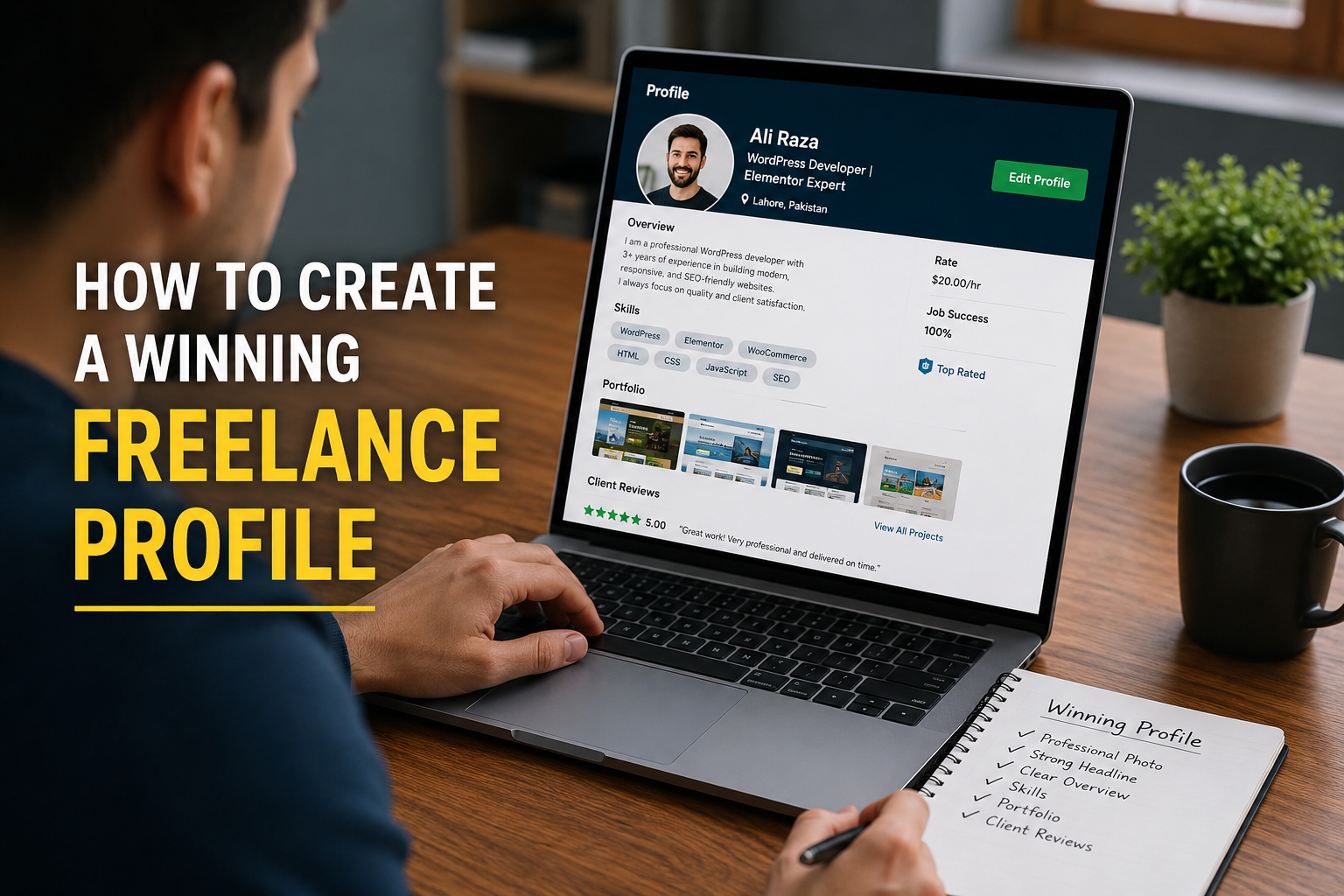

Freelancing has become one of the most practical ways to build a career without depending completely on a traditional office job. Many people start freelancing as a side income while studying, working a regular job, or learning a new skill. Over time, some freelancers realize that they can earn enough to make freelancing their main source of income.
In my opinion, turning freelancing into a full time career is not simply about getting more clients. It is about building a reliable system where your skills, clients, income, time, and professional reputation work together. Freelancing can provide freedom, but that freedom comes with responsibility. If you want to make freelancing your full time career, you need patience, consistency, planning, and a willingness to improve.
Understand Why You Want to Become a Full Time Freelancer
Before leaving a regular job or depending completely on freelance income, I believe it is important to understand your reason. Some people want more freedom, while others want to work from home, earn more money, choose their clients, or build their own business.
Having a clear reason helps you stay motivated when freelance work becomes slow. There will be months when you receive many projects and other months when finding clients becomes difficult. If your only motivation is quick money, these periods can become frustrating.
Think about what you actually want from freelancing. You may want financial independence, flexible working hours, more control over your career, or the opportunity to work with international clients. Once your goal is clear, it becomes easier to create a realistic freelancing plan.
Choose a Skill That Has Market Demand
One of the most important steps in building a full time freelancing career is choosing a skill that people are willing to pay for. You can be talented at something, but if there is little demand for that skill, finding consistent work can be difficult.
Popular freelance skills include content writing, graphic design, web development, video editing, social media management, digital marketing, SEO, virtual assistance, programming, and data related services.
I recommend focusing on one main skill instead of trying to offer everything at the beginning. When clients understand exactly what you do, they are more likely to trust you. For example, instead of simply calling yourself a freelancer, you can position yourself as an SEO content writer, WordPress developer, or social media manager.
Once your main skill becomes strong, you can add related services. This can increase your income and help you provide more value to existing clients.
Build a Strong Freelance Portfolio
A portfolio is one of the most powerful tools for a freelancer. Clients usually want to see evidence of your abilities before they decide to hire you.
If you are new and do not have paid projects, create your own sample work. A content writer can prepare sample articles. A designer can create sample logos or social media graphics. A developer can build sample websites or applications.
Your portfolio should show your best work rather than everything you have ever created. Quality is more important than quantity.
I also recommend updating your portfolio regularly. As your skills improve, replace weaker samples with better projects. A strong portfolio can make it easier to attract serious clients and charge better rates.
Start Freelancing Before Leaving Your Job
If you currently have a regular job, I would not recommend leaving it immediately unless you have a strong financial reason and enough savings. A safer approach is to start freelancing part time.
Use your free hours to develop your skill, create a portfolio, contact potential clients, and complete small projects. This allows you to understand how freelancing actually works before making it your main career.
Your goal should be to build consistent freelance income rather than getting one unusually large project. When your freelance income becomes predictable for several months, you can make a much more informed decision about going full time.
Learn How to Find Clients Consistently
Finding clients is one of the biggest challenges in freelancing. Having a great skill is not enough if nobody knows that you offer it.
Freelancers can find clients through freelance platforms, professional networking websites, social media, personal websites, referrals, online communities, and direct outreach.
Do not depend on only one source. If your entire income comes from one platform or one client, your career can become risky. Building relationships through different channels gives you more stability.
When contacting potential clients, avoid sending the same generic message to everyone. Take a little time to understand what the client needs and explain how your service can solve their problem.
Focus on Client Relationships
Getting a client is important, but keeping a good client can be even more valuable. A satisfied client may return with another project or recommend you to someone else.
Good communication makes a huge difference. Always clarify the project requirements, deadline, price, revisions, and expected results before starting the work.
I have found that professionalism is not only about delivering good work. It is also about responding on time, meeting deadlines, being honest about problems, and keeping the client informed.
You do not need to say yes to every request. If a project is outside your expertise or the deadline is unrealistic, communicate clearly instead of making promises you cannot keep.
Set Freelance Rates That Match Your Value
Many beginners make the mistake of charging extremely low prices because they are afraid of losing clients. While competitive pricing can help you get your first projects, staying underpaid for a long time can make freelancing exhausting.
Your rates should consider your skill level, experience, project complexity, research time, communication, revisions, and the value you provide.
As your portfolio and experience grow, gradually increase your rates. You do not necessarily need to work with more clients to earn more money. Sometimes the better strategy is to work with fewer quality clients at better rates.
The goal of a full time freelancing career should not simply be to stay busy. The goal should be to build profitable and sustainable work.
Create a Professional Daily Routine
One of the biggest advantages of freelancing is flexibility, but too much flexibility can become a problem. Without a routine, it is easy to waste time or postpone important tasks.
Create working hours that suit your lifestyle. During those hours, focus on client work, communication, learning, marketing, and business development.
I recommend separating work time from personal time as much as possible. If you work from home, create a dedicated workspace where you can concentrate.
A routine also helps you avoid working all day and night. Freelancing should provide freedom, not constant stress.
Manage Your Money Carefully
Freelance income can change from month to month, so financial management is extremely important. Do not assume that a good month will continue forever.
Create an emergency fund that can cover your basic expenses during slower periods. Keep track of your income, expenses, subscriptions, taxes, and business costs.
It is also helpful to separate personal money from freelance business money. This makes it easier to understand how much your freelancing career is actually earning.
When you start earning more, avoid immediately increasing your lifestyle expenses. Building financial stability should come before unnecessary spending.
Keep Improving Your Skills
The freelance market changes constantly. New software, tools, technologies, and client expectations appear regularly. A skill that is highly valuable today may become less valuable in the future.
Make learning part of your routine. Read industry blogs, watch educational content, take useful courses, practice new techniques, and study successful professionals in your field.
You do not need to learn everything. Focus on skills that can directly improve your services or help you charge higher rates.
For example, a content writer can learn SEO, keyword research, WordPress, and content strategy. A graphic designer can learn branding, user experience, and motion graphics. Adding valuable related skills can make you more competitive.
Build a Personal Brand
A personal brand can make it easier for clients to remember you. You do not need to become a social media celebrity. You simply need to consistently demonstrate your knowledge and professionalism.
Share useful tips, examples of your work, lessons from your projects, and insights related to your industry. Over time, people may begin to recognize you as someone who understands your field.
A professional website can also help. It can contain your portfolio, services, contact information, client testimonials, and information about your experience.
Avoid Depending on One Client
One of the biggest risks in freelancing is depending on a single client for most of your income. Even a good client can stop sending work because their business changes, their budget decreases, or their project ends.
Try to maintain several clients while keeping your workload manageable. You do not need dozens of clients. A small group of reliable clients can provide much better stability.
At the same time, continue looking for new opportunities even when you are busy. Client acquisition should be an ongoing part of your freelance business.
Know When You Are Ready for Full Time Freelancing
There is no universal number that determines when someone is ready to become a full time freelancer. However, consistent income, regular clients, savings, a strong portfolio, and confidence in your skills are good signs.
If your freelance income has been stable for several months and you have enough savings to handle a slow period, you may be in a much stronger position to make the transition.
Do not make the decision based on one unusually successful month. Look at your overall income pattern and personal expenses.
Final Thoughts
Turning freelancing into a full time career is possible, but it requires more than learning a skill and joining a freelance platform. You need to think like a professional and eventually like a business owner.
In my view, the most important things are consistency, client relationships, financial planning, skill development, and patience. Start small, build your portfolio, learn how to find clients, improve your rates, and create a reliable working routine.
Freelancing can give you the freedom to choose how and where you work, but that freedom becomes valuable only when you build stability behind it. If you treat freelancing seriously and continue improving over time, it can grow from a small side income into a successful full time career.