
Related Articles
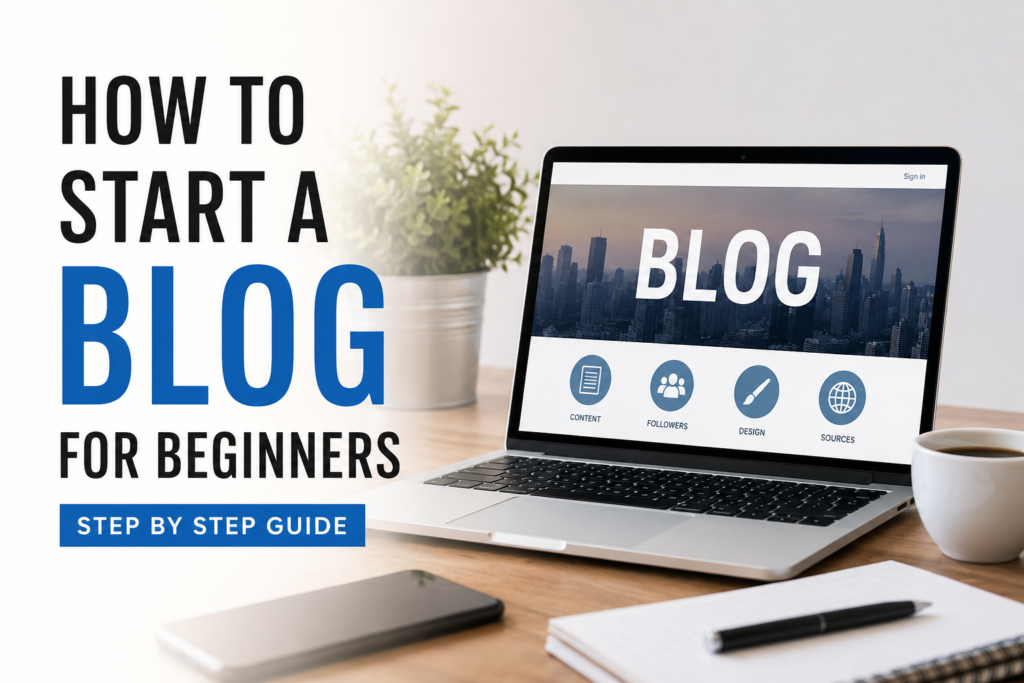
Starting a blog can be one of the best ways to share your knowledge, build an online presence, connect with people, and even create a source of income. When I first started learning about blogging, I realized that many beginners make the process seem much harder than it actually is. You do not need to be a professional writer, web developer, or SEO expert to start a blog. You mainly need a clear topic, a simple plan, and the patience to keep learning.
In this guide, I will explain how to start a blog for beginners in a simple and practical way. I will cover choosing a blog topic, selecting a domain name, getting hosting, creating useful content, understanding SEO, and preparing your blog for future growth.
Choose a Topic You Know and Enjoy
The first step in starting a blog is choosing the right topic. I believe this is one of the most important decisions because your topic will influence almost everything you do later.
Try to choose a subject that you understand, enjoy, or genuinely want to learn more about. For example, you could start a blog about technology, travel, personal finance, cooking, education, fitness, blogging, home improvement, or digital marketing.
It is better to choose a focused topic instead of trying to write about everything. A focused blog makes it easier to understand your audience and create useful content for them.
For example, instead of starting a general technology blog, you could focus on beginner friendly technology guides. This gives you a clearer direction and helps readers know what they can expect from your website.
Decide Who Your Readers Are
Before writing your first blog post, think about the people you want to help. Understanding your readers can make your content much more useful.
Ask yourself simple questions such as what problems do my readers have, what information are they searching for, and what questions might they ask?
If you are creating a blog for beginners, your writing should be simple and easy to understand. If your audience already has experience, you can provide more advanced information.
In my opinion, successful blogging is not only about writing what you want to write. It is also about providing information that your readers actually need.
Choose a Good Domain Name
Your domain name is the address people use to find your blog. A good domain name should be simple, memorable, and related to your website if possible.
Try to avoid complicated spellings, unnecessary numbers, or very long names. A short and easy name is usually easier for people to remember.
Before choosing a domain name, make sure it does not create confusion with another website or established brand. You should also think about your long term plans. If you choose a very narrow name, it may become difficult to expand your content later.
Take some time with this decision because changing your domain name later can create unnecessary work.
Get Reliable Web Hosting
After choosing your domain name, you need web hosting. Hosting is where your website files are stored so people can access your blog online.
For beginners, I recommend focusing on reliability, performance, security, customer support, and ease of use instead of choosing a hosting company only because it is cheap.
Your hosting should provide enough resources for your current needs and allow you to upgrade as your blog grows.
You do not need an expensive hosting package when you are just starting. Begin with a suitable basic plan and upgrade when your traffic and website requirements increase.
Set Up WordPress
WordPress is a popular option for people who want to start a blog without building everything from scratch. It gives you tools for creating pages, publishing articles, managing images, organizing categories, and customizing your website.
Once WordPress is installed, choose a clean and responsive theme. Your theme should look good on computers, tablets, and mobile phones.
Do not spend weeks changing colors, fonts, and layouts before publishing anything. A simple professional design is enough when you are starting.
Your main goal should be creating useful content rather than trying to make your website perfect from day one.
Create the Important Pages
A new blog should have a few basic pages that help visitors understand your website.
An About page can explain who you are and what your blog is about. A Contact page gives readers a way to communicate with you. A Privacy Policy page explains how your website handles visitor information.
Depending on your website and location, you may also need other legal or informational pages.
These pages can make your website look more complete and professional. They also help visitors understand that there is a real person or organization behind the content.
Plan Your First Blog Posts
One mistake I often see beginners make is publishing random articles without a clear plan. Before writing, create a list of topics related to your main subject.
For example, if your blog is about blogging, your initial topics could include how to start a blog, how to write a blog post, how to find blog topics, basic SEO tips, common blogging mistakes, and ways to improve website content.
Think about creating groups of related articles. This can help you build topical depth and make it easier to connect your articles with internal links.
You do not need hundreds of posts immediately. A small collection of useful and well written articles is a much better starting point.
Write Helpful and Original Content
Content is the heart of a blog. Your articles should provide real value instead of simply trying to fill a page with keywords.
When I write an article, I try to imagine that I am explaining the subject to someone who genuinely wants help. This approach naturally makes the writing more useful and easier to read.
Use clear headings, short paragraphs, examples, and practical explanations. Avoid adding information simply to make an article longer.
Originality is also important. Do not copy articles from other websites. Research a subject, understand it, and then explain it using your own knowledge and perspective.
A useful article can build trust with readers and encourage them to return to your website.
Learn Basic SEO
Search engine optimization, commonly called SEO, can help people discover your blog through search engines.
You do not need to become an SEO expert before publishing your first article. Start with the basics.
Choose a clear primary keyword for each article. Use it naturally in the title, introduction, headings, URL, and relevant parts of the content. Avoid repeating the keyword excessively because this can make your writing unnatural.
Create descriptive titles and write useful meta descriptions. Use internal links to connect related articles. Optimize your images and make sure your website works well on mobile devices.
Most importantly, write for people first and search engines second.
Make Your Blog Easy to Read
Good information can still perform poorly if the website is difficult to use.
Use readable fonts, enough spacing, clear headings, and simple navigation. Avoid filling every part of the page with advertisements, popups, or unnecessary design elements.
Your readers should be able to quickly find the information they came for.
I personally believe that simplicity is one of the strongest advantages a beginner blogger can have. You do not need an impressive design if your content is genuinely useful and easy to understand.
Publish Consistently
Consistency is important when starting a blog, but it does not mean you need to publish every day.
Choose a schedule that you can realistically maintain. For example, you might publish one or two quality articles each week.
The important thing is to keep improving your website over time. Some bloggers publish many articles at the beginning and then stop because they become overwhelmed.
A slower publishing schedule that you can maintain for months is usually more practical than trying to publish constantly for a few weeks.
Promote Your Blog
Publishing an article does not guarantee that people will immediately find it. You should also promote your content.
You can share your articles on relevant social media platforms, participate in communities related to your topic, answer questions, and build relationships with other bloggers.
Do not use spammy promotion methods. Focus on being helpful and sharing your content where it is genuinely relevant.
As your blog grows, you may also receive visitors through search engines, social media, referrals, and direct traffic.
Think About Monetization Later
Many beginners start a blog because they want to make money online. There is nothing wrong with that goal, but I recommend focusing on building a useful website first.
Once your blog has quality content and regular visitors, you can explore different monetization methods. These may include display advertising, affiliate marketing, sponsored content, digital products, memberships, or services depending on your niche.
If you want to use Google AdSense, make sure your website provides original and useful content and follows the applicable publisher policies. Do not build a website only for advertisements.
A website that helps visitors is much more likely to have long term potential than one created only to display ads.
Keep Learning and Improving
Blogging is not something you completely master in a few days. You will learn from your own results.
Pay attention to which articles receive visitors, which pages people spend time reading, and which topics generate interest. Use that information to improve your future content.
You may also discover that some of your older articles need updates. Information changes over time, and updating useful content can make your website more valuable.
Do not be discouraged if your first few months are quiet. Building a blog usually takes time.
Final Thoughts
Starting a blog for beginners is much simpler when you break the process into small steps. Choose a topic you can write about, understand your audience, select a suitable domain and hosting plan, set up WordPress, create useful pages, and start publishing helpful content.
From my point of view, the biggest mistake is waiting for everything to be perfect before starting. Your first article may not be your best article, and your first website design may change several times. That is completely normal.
The most important thing is to start, learn, improve, and stay consistent.
If you focus on helping your readers instead of chasing quick results, you can gradually build a blog that attracts visitors, earns trust, and has the potential to become a valuable online asset.