Related Articles



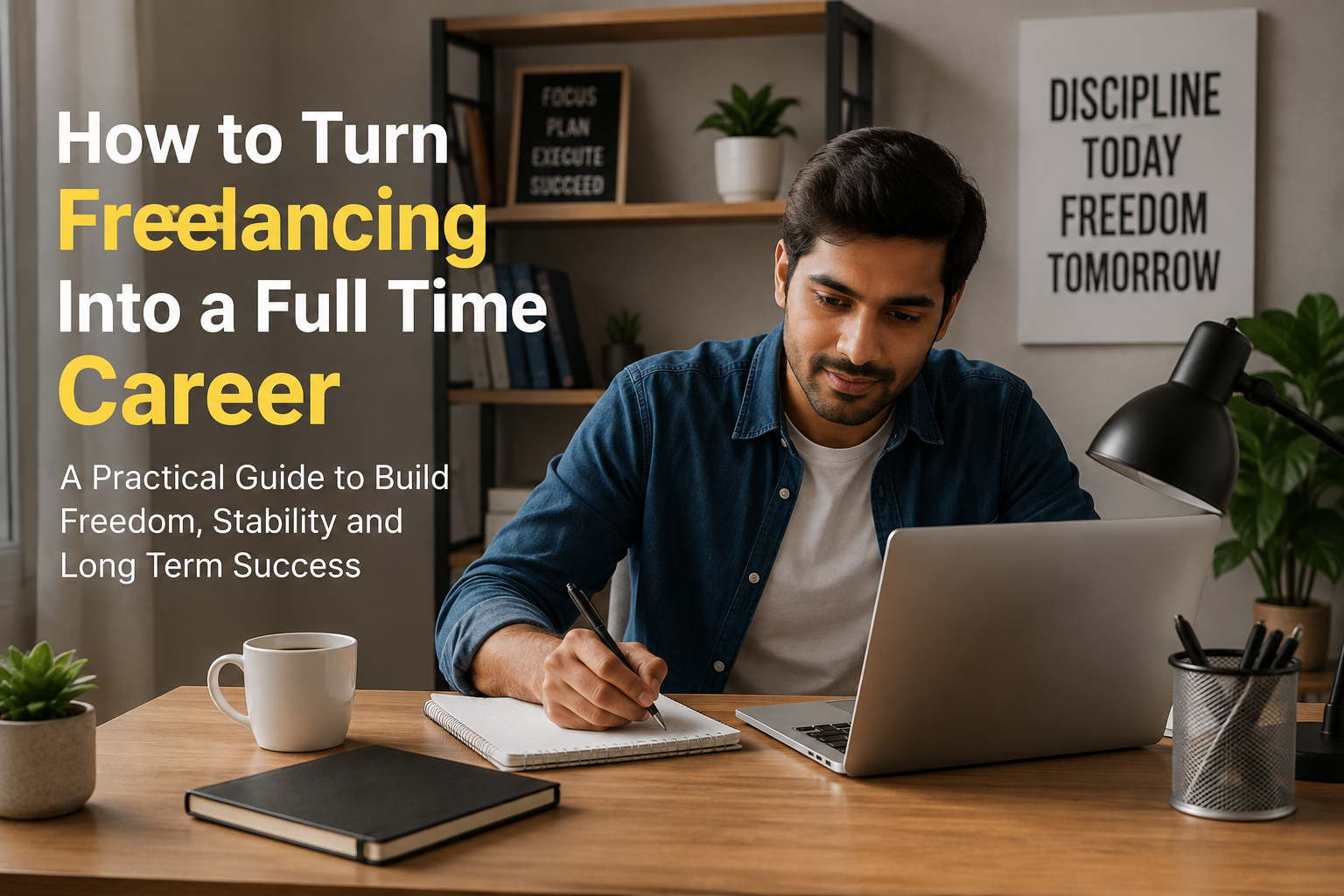
Freelancing has become one of the most attractive ways to build a career because it gives you freedom, flexibility, and the opportunity to work with clients from different parts of the world. However, starting freelancing and building a long term freelance career are two very different things. Getting your first client can feel exciting, but maintaining a steady income and growing professionally over several years requires planning, patience, and consistency.
In my opinion, the biggest mistake new freelancers make is focusing only on getting quick projects. A successful freelance career is not built around one client or one project. It is built around valuable skills, strong relationships, professional communication, financial discipline, and continuous learning.
If you want to turn freelancing into a stable career, you need to think like a professional rather than someone who is simply looking for temporary online work. In this article, I will share practical ways to build a long term freelance career and create a sustainable path for your future.
Choose a Skill That Has Long Term Demand
The first step toward building a long term freelance career is choosing a skill that businesses and individuals will continue to need. Some popular freelance skills include content writing, graphic design, web development, digital marketing, video editing, social media management, search engine optimization, and virtual assistance.
However, I believe you should not choose a skill simply because it is trending. Instead, look at your interests, natural abilities, and the amount of time you are willing to invest in learning.
A strong freelance skill should solve a real problem for clients. For example, businesses need websites that work properly, content that attracts readers, graphics that represent their brands, and marketing strategies that help them reach customers.
When your skill provides real value, finding and retaining clients becomes much easier.
Become Really Good at Your Work
Learning the basics of a skill is enough to start freelancing, but it is not enough to build a career that lasts for years.
You should continuously improve your skills and keep up with changes in your industry. Tools, platforms, software, and client expectations can change quickly. A freelancer who stops learning can easily fall behind competitors.
I recommend spending some time every week learning something new. You can watch tutorials, read professional blogs, take online courses, study successful projects, or practice new techniques.
The goal is not to learn everything. The goal is to become better at the specific service you provide.
Build a Strong Portfolio
Your portfolio is one of the most important assets in freelancing. Clients want to know what you can actually do before they trust you with their projects.
If you are new and do not have paid work to show, create your own sample projects. A content writer can create sample articles. A graphic designer can design imaginary brand materials. A web developer can build demonstration websites.
Your portfolio should show quality rather than quantity. Instead of displaying twenty weak projects, show several strong examples that demonstrate your ability.
As you complete real client projects, update your portfolio regularly. A modern and relevant portfolio can help you attract better clients and justify higher rates.
Focus on Client Relationships
One of the most valuable lessons I have learned about freelancing is that a good client relationship can be more valuable than constantly searching for new clients.
If a client is happy with your work, there is a good chance they may hire you again. They may also recommend you to other businesses or people.
Communication plays a major role here. Always understand the client’s requirements before starting work. Ask questions when something is unclear, provide realistic deadlines, and keep the client informed about progress.
You do not need to be available twenty four hours a day. You simply need to communicate professionally and reliably.
Do Not Compete Only on Price
Many beginners believe that offering the lowest price is the easiest way to get freelance projects. It might help you get some early work, but it is not a good long term strategy.
When you constantly compete on price, you may attract clients who care more about saving money than receiving quality work.
Instead, focus on improving your value.
If you can deliver better quality, communicate clearly, understand business goals, and complete projects reliably, you can gradually charge more.
Your goal should be to become known for your expertise rather than being known as the cheapest freelancer.
Develop a Professional Online Presence
A professional online presence can make a significant difference in your freelance career. Your freelance profile, portfolio, social media accounts, and professional website should present a consistent image.
Clearly explain what services you provide, who you help, and what results you can offer.
You can also share useful content related to your industry. For example, if you are a writer, you can publish writing tips. If you are a designer, you can share design examples and insights.
Over time, sharing useful information can help establish your reputation and attract potential clients.
Learn How to Manage Your Time
Freelancing gives you flexibility, but flexibility can become a problem if you do not manage your time properly.
Without a fixed office schedule, it is easy to delay work or spend too much time on small tasks. I believe having a simple daily routine is one of the best ways to stay productive.
Set specific working hours and decide what you need to accomplish each day. Break larger projects into smaller tasks and give yourself realistic deadlines.
Also remember that being busy does not always mean being productive. Focus on work that directly contributes to your income, skills, or long term career growth.
Keep Track of Your Finances
A long term freelance career requires financial discipline. Freelance income can change from month to month, so you should not treat every good month as a reason to increase your spending.
Try to maintain an emergency fund that can support you during slow periods. Keep records of your income and expenses and understand how much you actually earn after business costs.
I also recommend separating personal and freelance finances when possible. This makes it easier to understand the health of your freelance business.
Financial planning can reduce stress and help you make better career decisions.
Avoid Depending on One Client
Having a great long term client is excellent, but depending completely on one client can create financial risk.
If that client suddenly stops outsourcing work, your income could disappear.
This does not mean you need dozens of clients at the same time. A small group of reliable clients can provide a much healthier balance.
Keep networking and continue building your professional presence even when you already have enough work. It is much easier to find new opportunities when you are not under immediate financial pressure.

Learn to Say No
As your freelance career grows, you will receive different types of opportunities. Not every project is worth accepting.
Some clients may offer unrealistic deadlines, unclear requirements, extremely low budgets, or difficult working conditions.
Learning to say no professionally is an important part of building a sustainable career.
When you accept every project, you can quickly become overwhelmed. This can affect the quality of your work and your relationships with good clients.
Choose projects that match your skills, goals, availability, and professional standards.
Build a Network
Freelancing may feel like an individual career, but relationships can play a major role in long term success.
Connect with other freelancers, business owners, marketers, designers, developers, and professionals in your industry.
Networking does not mean constantly asking people for work. Instead, focus on building genuine professional relationships.
Someone you meet today may recommend you for a project months or years later.
A strong network can also provide advice, collaboration opportunities, referrals, and valuable industry knowledge.
Keep Improving Your Communication Skills
Technical skills may get you your first project, but communication skills can help you retain clients.
Learn how to write professional messages, explain your ideas clearly, discuss deadlines, handle feedback, and resolve disagreements calmly.
Sometimes a client may not like the first version of your work. Instead of taking feedback personally, try to understand what they want and improve the result.
Professional communication creates trust, and trust is extremely valuable in freelancing.
Create Multiple Income Opportunities
Once you have established yourself as a freelancer, you can explore additional income streams related to your expertise.
For example, a writer might create digital products, offer consulting, or teach writing. A designer might sell templates. A developer might create useful tools or provide specialized consulting.
You do not need to do everything at once. Start with your main freelance service and build additional income opportunities gradually.
This can make your overall career more stable and reduce your dependence on individual projects.
Protect Your Reputation
Your reputation is one of the most valuable things you can build as a freelancer.
Always try to deliver what you promised. Be honest about deadlines and capabilities. Do not copy other people’s work or make promises you cannot keep.
A freelancer with a strong reputation can often attract better opportunities through referrals and repeat business.
Remember that every project contributes to your professional reputation. Even a small project should be treated professionally.
Stay Patient During Slow Periods
Freelancing is rarely a straight line. There may be months when you have more work than you can handle and other periods when projects become difficult to find.
Do not assume that a slow month means your career is failing.
Use slower periods to improve your portfolio, learn new skills, contact previous clients, improve your profile, and develop new services.
The freelancers who survive long term are often the ones who remain consistent during both good and difficult periods.
Think Like a Business Owner
If you want to build a long term freelance career, eventually you need to think beyond individual tasks.
Your freelance career is also a small business. You need to think about marketing, pricing, client relationships, finances, productivity, reputation, and future growth.
This mindset can completely change the way you approach freelancing.
Instead of asking only, “How can I get my next project?” start asking, “How can I build a freelance career that is stronger one year from now?”
That change in thinking can help you make better decisions.
Final Thoughts
Building a long term freelance career takes time. There is no single shortcut that guarantees success. In my view, the strongest freelance careers are built through consistent learning, quality work, professional communication, reliable client relationships, and smart financial decisions.
Do not focus only on earning money quickly. Focus on becoming valuable, trustworthy, and difficult to replace.
Start with one strong skill, build an impressive portfolio, treat your clients professionally, continue learning, and manage your finances carefully. Over time, these small efforts can turn freelancing from temporary online work into a stable and rewarding career.
The most important thing is consistency. You do not need to become successful overnight. You simply need to keep improving and moving forward. If you stay patient and treat freelancing as a real profession, you can build a career that gives you both financial opportunities and the freedom to design your own working life.