Related Articles

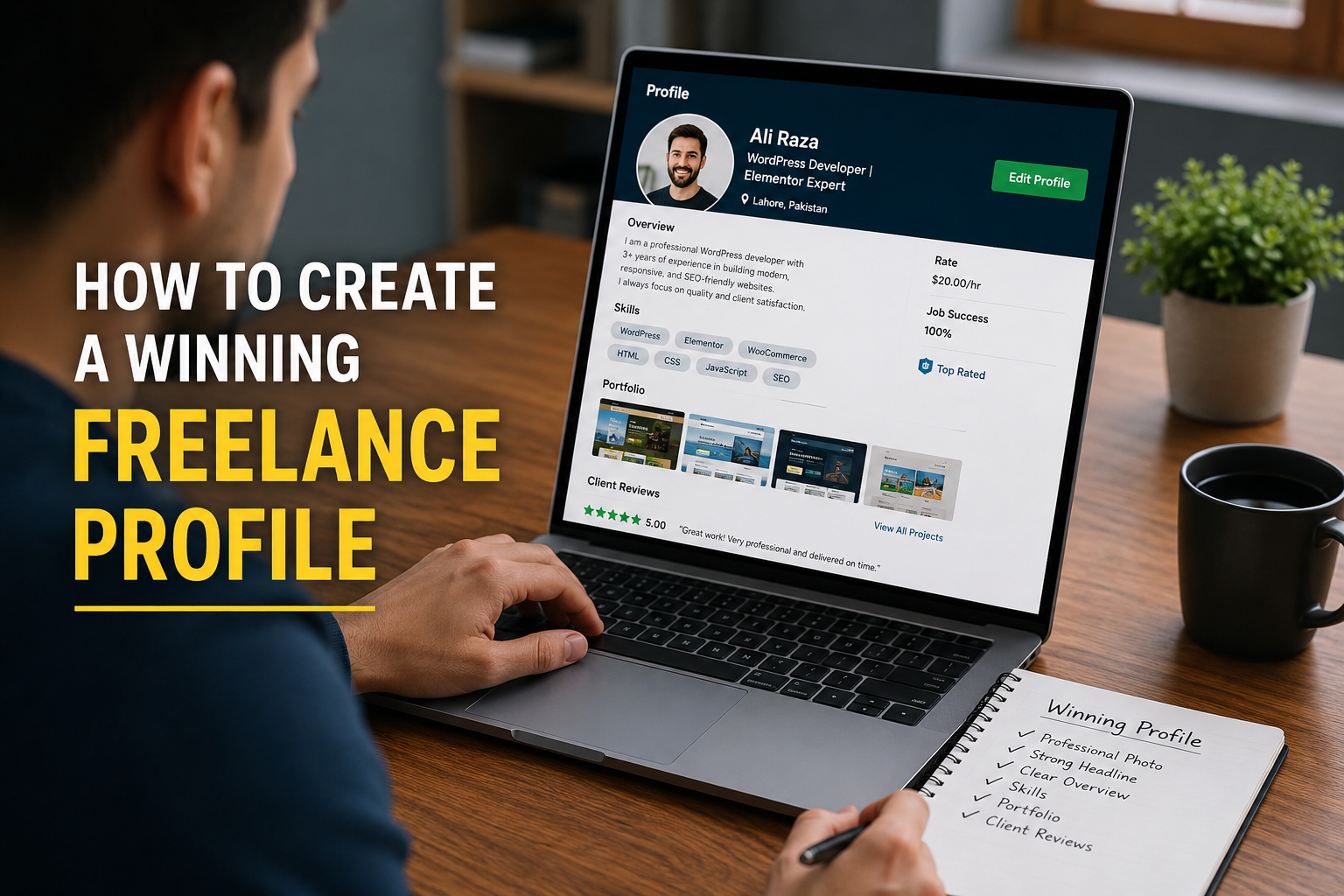

Choosing the right freelancing skill is one of the most important decisions you can make when starting an online career. Many beginners make the mistake of choosing a skill only because they see other freelancers earning money from it. In my opinion, that is not always the best approach. A skill may be profitable for one person but difficult or boring for another person.
When I think about choosing a freelancing skill, I believe three things should be considered carefully. You should look at your interests, your natural abilities, and the demand for that skill in the market. When these three things come together, it becomes much easier to build a successful freelancing career.
Freelancing gives people the freedom to work with clients from different parts of the world. However, freedom alone does not guarantee success. You need a useful skill that clients are willing to pay for. This is why learning how to choose a freelancing skill can save you time, effort, and frustration.
Understand What Freelancing Skills Are
A freelancing skill is something you can use to provide a service to clients independently. Instead of working as a permanent employee for one company, you offer your services to different clients and get paid for completed projects or agreed work.
Some popular freelancing skills include content writing, graphic design, web development, video editing, digital marketing, search engine optimization, virtual assistance, data entry, social media management, and programming.
There are many options available, which can make the decision confusing for beginners. I recommend avoiding the idea that you need to learn everything. It is much better to choose one useful skill and become good at it.
Once you have a strong foundation in one skill, you can learn related skills later. This can help you create a stronger service and increase your earning opportunities.
Start With Your Interests
The first thing I would suggest is to think about what you actually enjoy doing. Your interest matters because freelancing requires continuous learning.
For example, if you enjoy writing and explaining ideas, content writing may be a good option. If you like visual creativity, graphic design could be more suitable. If you enjoy technology and solving problems, web development or programming may be worth exploring.
Interest does not mean you have to be passionate about a skill from the first day. Sometimes interest develops after you start learning and understand the subject better.
Try different activities before making your final decision. Write a short article, design a simple image, edit a small video, or create a basic website. Your experience with these tasks can help you understand what feels natural to you.
Consider Your Existing Abilities
Your current abilities can also guide you toward the right freelancing skill.
Think about the things you already know. Maybe you are good at communication, writing, organizing information, working with numbers, using computers, creating visuals, or explaining complicated topics in simple language.
For example, someone who communicates well may do well in virtual assistance, customer support, content writing, or social media management. Someone who enjoys numbers may explore data analysis or spreadsheet related services.
You do not need to start from zero. Your existing knowledge can make the learning process easier.
At the same time, do not worry if you do not have professional experience. Many successful freelancers started with basic knowledge and improved through practice.
Research Freelancing Market Demand
Interest is important, but market demand is equally important. You should choose a skill that businesses and individuals actually need.
Before investing months into learning something, research freelance marketplaces and look at the services clients are requesting. Pay attention to the type of projects being posted, the skills mentioned by clients, and the problems they want freelancers to solve.
For example, businesses may need websites, blog articles, social media content, product descriptions, videos, advertisements, search engine optimization, or administrative support.
The goal is not simply to find the most popular freelancing skill. The goal is to find a skill where your abilities and client demand can meet.
Look at Earning Potential
Money is naturally an important factor when choosing a freelancing skill. However, I do not recommend choosing a skill only because someone claims that it can make a huge amount of money.
Freelance income depends on many factors, including your skill level, portfolio, communication, client relationships, experience, niche, and ability to deliver quality work.
A beginner may earn less while learning, while an experienced freelancer with specialized knowledge may charge much more.
Instead of asking, “Which skill makes the most money?” I think it is better to ask, “Which valuable skill can I become very good at?”
A strong skill combined with experience can create better earning opportunities over time.

Think About Competition
Competition is another factor that beginners should understand. Almost every popular freelancing skill has competition.
Seeing many freelancers offering a service does not automatically mean you should avoid that skill. High competition can also indicate that there is strong demand.
The important thing is learning how to stand out.
For example, instead of simply offering content writing, you could specialize in blog writing for technology websites. Instead of offering general graphic design, you could focus on social media graphics for small businesses.
Specialization can help you present yourself more clearly and attract clients who need exactly what you offer.
Choose a Skill You Can Practice Regularly
One of the biggest lessons I have learned about online work is that practice matters more than simply watching tutorials.
You can watch hundreds of videos about a skill, but you will not become a freelancer until you actually start doing the work.
Before choosing a freelancing skill, ask yourself whether you can practice it regularly.
If you choose content writing, start writing articles. If you choose graphic design, create sample designs. If you choose video editing, edit short videos. If you choose web development, build simple websites.
Practice gives you confidence and eventually helps you create a portfolio.
Consider the Learning Curve
Some freelancing skills can be learned at a basic level relatively quickly, while others require months or years of practice.
For example, basic virtual assistance or data entry may be easier for some beginners to understand. Web development, programming, advanced graphic design, and data analysis may require more technical learning.
This does not mean you should avoid difficult skills. If you enjoy technical subjects and are willing to invest time, a more advanced skill can be a good long term choice.
The important thing is to have realistic expectations. Do not expect to become an expert after completing a few online courses.
Explore Beginner Friendly Freelancing Skills
There are several skills beginners can explore depending on their interests and abilities.
Content writing is suitable for people who enjoy writing and research. Graphic design can be a good option for creative individuals. Video editing is useful for people interested in visual content.
Digital marketing can suit people who enjoy business, communication, and online promotion. Search engine optimization is another area where freelancers can help websites improve their visibility.
Virtual assistance can be suitable for organized people who are comfortable handling administrative tasks. Web development and programming are stronger choices for people who enjoy technology and problem solving.
Data entry can be easier to understand for some beginners, although competition can be high.
There is no single best freelancing skill for everyone. The best choice depends on the individual.
Test a Skill Before Fully Committing
One approach I strongly recommend is testing a skill before spending a lot of money on courses or tools.
Give yourself one or two weeks to explore the basics. Use free educational resources and complete small practice projects.
During this period, pay attention to how you feel while doing the work.
Do you enjoy the process?
Can you understand the basic concepts?
Are you willing to practice when the work becomes difficult?
Can you imagine yourself doing this for clients?
Your answers can tell you a lot.
If you discover that a skill does not suit you, there is nothing wrong with changing direction. It is better to change your learning path early than spend months learning something you genuinely dislike.
Focus on One Skill First
A common mistake among new freelancers is trying to learn too many skills at once.
Someone starts learning graphic design on Monday, web development on Tuesday, content writing on Wednesday, and digital marketing the next day. After a few weeks, they know a little about everything but cannot confidently offer one professional service.
I believe beginners should focus on one primary freelancing skill first.
Build your knowledge, practice consistently, and create a small portfolio. Once you become comfortable with your main skill, you can add supporting skills.
For example, a content writer can later learn search engine optimization. A graphic designer can learn social media marketing. A web developer can learn basic search engine optimization and website maintenance.
This approach creates a more valuable service without creating unnecessary confusion.
Think About Long Term Growth
When choosing a freelancing skill, do not only think about your first client. Think about where the skill can take you in the future.
A good skill should give you opportunities to improve, specialize, increase your rates, and work with better clients.
For example, a beginner content writer can eventually specialize in a specific industry. A beginner designer can move toward brand identity or user interface design. A beginner developer can specialize in particular technologies or types of websites.
The more valuable your expertise becomes, the more opportunities you may have.
Build a Portfolio After Learning
Once you choose a freelancing skill, start building a portfolio as soon as possible.
You do not always need previous clients to create a portfolio. You can make sample projects that demonstrate what you can do.
A content writer can create sample blog posts. A graphic designer can create sample social media designs. A video editor can create demonstration videos. A web developer can build sample websites.
Your portfolio should show your abilities clearly. Quality is more important than having a huge number of samples.
Improve Your Communication Skills
A freelancing skill is only one part of becoming successful. Communication is also extremely important.
Clients want freelancers who understand instructions, ask useful questions, respond professionally, meet deadlines, and communicate clearly.
You may have excellent technical skills, but poor communication can make it difficult to build long term client relationships.
That is why I recommend improving your communication while learning your main skill.
Final Thoughts
Learning how to choose a freelancing skill can make your online career much easier to manage. In my opinion, you should not choose a skill simply because it is trending or because someone says it is an easy way to make money.
Start by understanding your interests and existing abilities. Research market demand, consider competition, look at long term earning potential, and test different skills before making a final decision.
Most importantly, give yourself enough time to improve.
Freelancing is not about finding a magical skill that immediately brings clients and money. It is about developing something valuable, practicing it consistently, presenting your work professionally, and solving real problems for clients.
Choose one skill, learn the fundamentals, practice regularly, create a strong portfolio, and keep improving. With patience and consistent effort, the skill you choose today can become the foundation of a successful freelancing career tomorrow.