
Related Articles


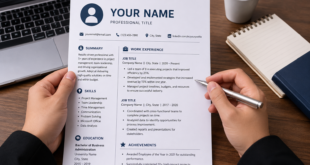
Finding a job with no experience can feel difficult, especially when most job descriptions seem to ask for previous work experience. When I was looking at this topic, I realized that having no formal experience does not mean having no skills. Many employers are willing to hire beginners when they can see a positive attitude, useful abilities, willingness to learn, and a serious approach to work.
The important thing is to stop thinking that your lack of experience is the only thing an employer will notice. Instead, focus on what you can offer and how you can prove that you are ready to work.
In this guide, I will explain how to find a job with no experience, how to build a strong resume, where to look for entry level jobs, and how to improve your chances of getting hired.
Understand What Employers Look For
The first step is understanding that employers do not always hire people only because they have years of experience. For entry level positions, employers often look for reliability, communication skills, basic computer knowledge, problem solving ability, teamwork, and willingness to learn.
For example, if you are applying for an office assistant position, you may not have previous office experience. However, if you know how to use email, Microsoft Word, spreadsheets, and basic online tools, you already have skills that may be useful.
The same applies to customer service, retail, administration, sales, content writing, social media, and many other careers.
I believe the key is to identify your existing skills before you start applying for jobs.
Identify Your Transferable Skills
You may have more useful experience than you realize.
Think about your education, personal projects, volunteer activities, internships, school assignments, freelance work, family responsibilities, and hobbies. These activities can help you develop transferable skills.
For example, managing a university project can demonstrate organization and teamwork. Running a small social media page can demonstrate communication and content skills. Helping with a family business can demonstrate customer service and responsibility.
Make a list of skills you already have and connect them with the jobs you want.
Some common transferable skills include communication, organization, teamwork, research, writing, time management, problem solving, computer skills, customer service, and leadership.
These skills can make your job application stronger even when you have limited professional experience.
Create a Resume for an Entry Level Job
Your resume is one of the most important parts of your job search. If you have no experience, you should not create a resume that focuses heavily on an empty employment history.
Instead, make your skills, education, projects, certifications, and achievements more visible.
Start with a simple professional summary that explains who you are and what type of position you are looking for.
For example, you could explain that you are a motivated beginner with strong communication and organizational skills who is looking for an entry level opportunity where you can learn and contribute to a team.
Keep your resume easy to read. Avoid adding unnecessary information just to make the resume longer.
If you have completed relevant courses or certifications, include them. If you have created personal projects related to your desired career, mention those as well.
A good beginner resume does not need to look impressive because of its length. It needs to clearly show why you could become a useful employee.
Build Experience Before Getting Hired
One of the best ways to solve the experience problem is to create your own experience.
You do not always need a company to give you your first opportunity. You can work on small personal projects that demonstrate your abilities.
For example, someone interested in graphic design can create sample designs. Someone interested in writing can create articles or sample content. Someone interested in digital marketing can create a simple marketing plan for a fictional business.
If you want to work in web development, build a few basic websites. If you want to work in accounting, practice with spreadsheet based financial projects.
These projects can become part of your portfolio.
In my opinion, showing someone what you can actually do is often more powerful than simply saying that you have a particular skill.
Look for Entry Level Jobs
When searching for a job with no experience, use keywords such as entry level, junior, trainee, assistant, associate, apprentice, internship, and graduate.
These terms can help you find positions specifically designed for beginners.
Do not automatically skip a job because the description mentions experience. Some employers write an ideal job description rather than a strict list of requirements.
If you meet most of the important requirements and believe you can learn the remaining skills, consider applying.
At the same time, avoid applying randomly to hundreds of unrelated positions. A targeted job search is usually more effective.
Choose several job categories that match your interests and skills, then focus your applications on those areas.
Use Online Job Platforms
Online job platforms can make the job search easier because they allow you to search by position, location, industry, and experience level.
Create a professional profile and keep your information updated. Use a clear professional headline that explains what type of work you are interested in.
You can also set job alerts for entry level positions that match your skills.
When applying online, read the job description carefully. Pay attention to the responsibilities and required skills. Then adjust your resume to highlight the qualifications that match the position.
A general resume may be convenient, but a targeted resume can make your application more relevant.
Consider Internships and Apprenticeships
Internships and apprenticeships can be excellent ways to gain your first professional experience.
Some opportunities are paid, while others may be unpaid depending on the employer and local rules. Always understand the terms before accepting an opportunity.
The biggest benefit is that you can learn how a real workplace operates. You can develop practical skills, meet professionals, and add genuine experience to your resume.
An internship can also help you understand whether a particular career is actually right for you.
If you are struggling to find a permanent position, looking for a suitable internship or trainee role can be a practical first step.
Network With People
Networking does not have to mean attending expensive business events or meeting important executives.
You can start with people you already know.
Tell friends, relatives, former classmates, teachers, university staff, and professional contacts that you are looking for an entry level job.
You never know who may know about an opening.
You can also connect with professionals in your desired industry through professional networking platforms. Keep your communication polite and professional. Instead of immediately asking someone for a job, you can ask about their career path or advice for someone starting in the industry.
Building genuine professional relationships can create opportunities that are not always advertised publicly.
Prepare for Interviews
Getting an interview is a major achievement when you have no experience. The next step is preparing properly.
One of the most common questions you may hear is, “Why should we hire you when you have no experience?”
Do not become nervous when you hear this question.
Instead, focus on your willingness to learn, your existing skills, your work ethic, and your interest in the position.
You can explain that although you are starting your professional career, you have developed relevant skills through education, personal projects, volunteering, or other activities.
Prepare answers for common interview questions and practice speaking clearly.
You do not need to memorize every answer. The goal is to become comfortable discussing your abilities.

Improve Your Skills While Searching
Do not spend all your time sending applications.
Use part of your time to improve skills that employers commonly request.
There are many affordable or free learning resources available online. You can learn basic computer skills, communication, writing, spreadsheets, digital marketing, design, coding, customer service, or other skills depending on your career goals.
Choose skills that are actually relevant to the jobs you want.
For example, if you want an administrative position, improving your spreadsheet and office software skills may be more useful than learning an unrelated subject.
Learning consistently can also give you something positive to discuss during interviews.
Do Not Be Afraid of Small Opportunities
Your first job does not have to be your dream job.
Sometimes the best career path begins with a small opportunity.
An assistant position can lead to a coordinator role. A customer service job can help you move into sales or management. An internship can lead to a permanent position.
Your first job is often about learning how workplaces operate, developing professional habits, and gaining experience.
Once you have genuine work experience on your resume, future applications can become easier.
Avoid Common Job Search Mistakes
People looking for their first job often make a few avoidable mistakes.
One mistake is sending the same resume to every employer. Another is applying only to jobs with perfect salaries and benefits. Some beginners also underestimate the importance of communication and professional behavior.
Another common mistake is giving up too quickly.
You may send several applications without receiving a response. That does not necessarily mean you are not capable. Hiring decisions depend on many factors, including competition, timing, company requirements, and the number of applicants.
Keep improving your resume and application strategy instead of simply sending more applications.
Stay Consistent and Patient
Finding a job with no experience takes patience.
I think the most useful approach is to treat your job search like a project. Set a daily or weekly target for applications, skill development, networking, and interview preparation.
Keep track of the jobs you apply for so you know which companies you contacted and when you applied.
If you receive a rejection, try to learn from it. If several employers reject your application, review your resume and interview approach.
Small improvements can make a significant difference over time.
Final Thoughts
Finding a job with no experience is challenging, but it is absolutely possible. You do not need to wait until someone gives you professional experience before you start developing valuable skills.
Focus on your transferable skills, create practical projects, build a strong entry level resume, search for suitable opportunities, network with people, and continue learning.
Most importantly, do not define yourself by the phrase “no experience.” Everyone who has professional experience started somewhere.
Your first opportunity may not be perfect, but it can give you the knowledge, confidence, and experience needed for the next one. If you stay consistent and focus on becoming more useful to employers, you can gradually build a career even when you are starting from zero.