
Related Articles
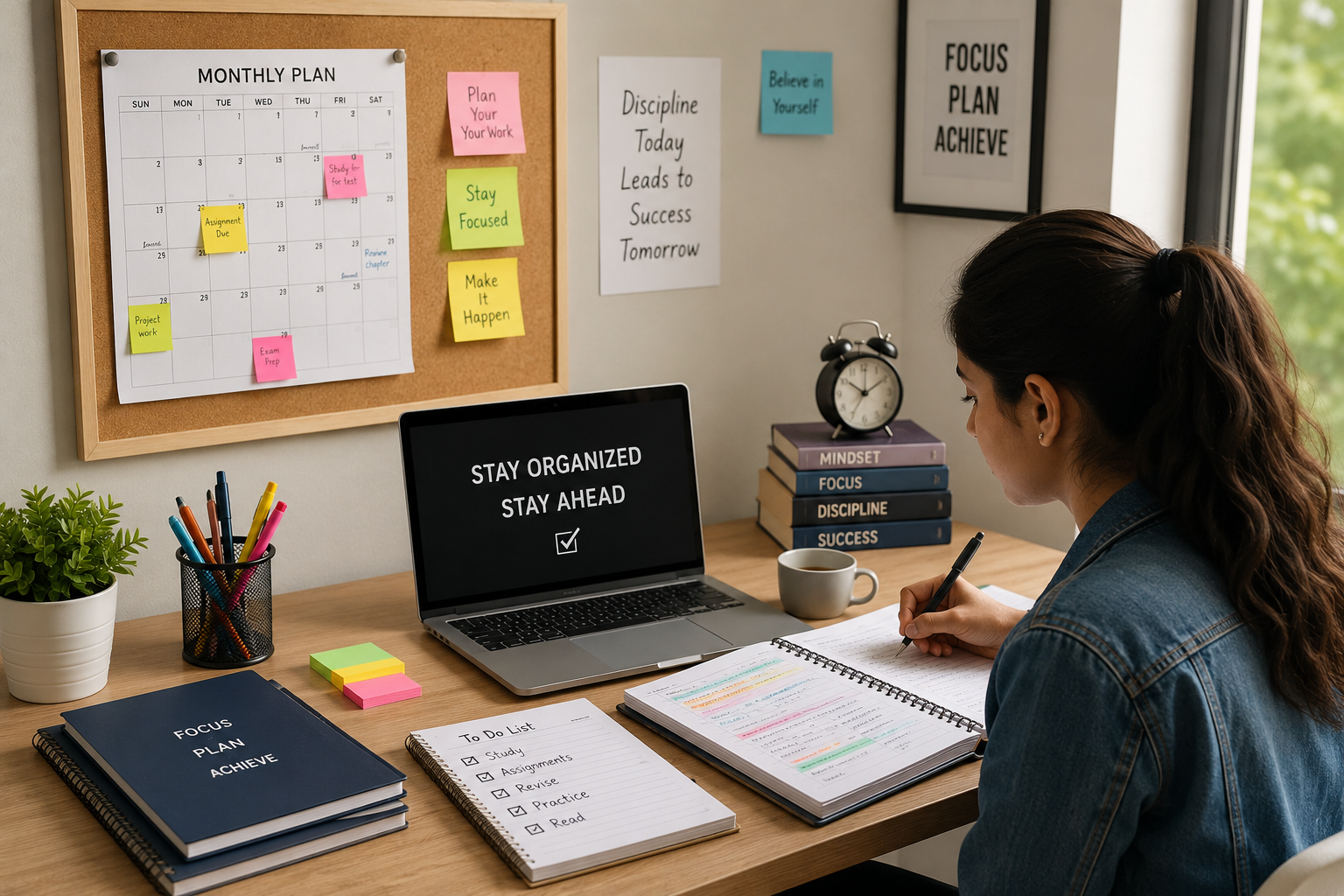


Procrastination is one of the biggest problems students face while studying. I have noticed that many students know exactly what they need to study, but they still keep delaying it. We often tell ourselves that we will start after checking our phone, watching one video, taking a short break, or finishing another small task. Before we realize it, a lot of time has passed and the study session has not even started.
In my opinion, procrastination is not always about being lazy. Sometimes it happens because a subject feels difficult, the workload looks too large, or we simply do not know where to begin. The good thing is that procrastination can be controlled with simple and practical habits.
If you want to learn how to avoid procrastination while studying, the first step is to understand why you delay your work. Once you know the reason, it becomes much easier to build a better study routine.
Understand Why You Procrastinate
Before trying different study techniques, I believe it is important to understand the reason behind your procrastination. Every student can have a different reason.
Sometimes we avoid studying because the topic is boring. At other times, we may feel that there is too much material to cover. Fear of getting poor marks can also make studying stressful, which may lead us to avoid the task completely.
Another common reason is distraction. Social media, mobile games, television, messages, and random internet browsing can easily take attention away from studying.
When I notice myself delaying an important task, I try to ask a simple question: What exactly am I avoiding? This question can help identify the real problem and make it easier to take action.
Set Small Study Goals
One of the most effective ways to stop procrastinating while studying is to make your goals smaller.
For example, instead of saying, “I have to study the whole chapter today,” set a goal such as, “I will read five pages and write down the important points.”
A large task can feel overwhelming, while a small task feels much easier to start. Once you begin, you may find that continuing is easier than you expected.
I personally prefer dividing large assignments into smaller study tasks. It gives me a clear direction and makes the workload feel manageable.
Create a Simple Study Schedule
A study schedule can help you stay organized and reduce procrastination. You do not need a complicated timetable. A simple schedule showing what you want to study and when you want to study it can be enough.
For example, you can decide to study mathematics from 5 PM to 6 PM and science from 6:30 PM to 7:30 PM. You can then use the remaining time for revision or homework.
The most important thing is to create a schedule that you can realistically follow. If you make an unrealistic timetable with too many hours of studying, you may become tired and eventually stop following it.
A simple and flexible study schedule is usually better than a perfect schedule that you cannot maintain.
Start With Just Five Minutes
Sometimes the hardest part of studying is simply starting.
When I feel like avoiding a task, I find it useful to tell myself that I only need to study for five minutes. This removes some of the pressure and makes the task feel less difficult.
After five minutes, you may naturally want to continue. The important thing is to move from thinking about studying to actually studying.
This small technique can be especially helpful when you are preparing for exams or working on a difficult subject.
Remove Distractions
Your study environment has a major effect on your ability to concentrate. If your phone is next to you and notifications are constantly appearing, it becomes much harder to focus.
Before starting your study session, try to remove unnecessary distractions. Put your phone on silent mode or keep it away from your study desk. Close websites that are not related to your work and keep only the books and materials you need.
I also believe that keeping your study area clean can make a difference. When your desk is organized, you can start studying without wasting time looking for notebooks, pens, books, or other materials.

Use Your Phone Carefully
A smartphone can be useful for studying, but it can also become one of the biggest causes of procrastination.
You may open your phone to check one message and then spend thirty minutes scrolling through social media. This can completely break your concentration.
If you need your phone for educational videos, online notes, or a calculator, use it only for that purpose during your study session. You can also turn off unnecessary notifications.
The goal is not necessarily to stop using technology. The goal is to control how you use it.
Try Focused Study Sessions
Another useful way to avoid procrastination while studying is to work in focused sessions. You can study for a specific amount of time and then take a short break.
For example, you can study for 25 minutes and take a five minute break. After several sessions, you can take a longer break.
During the focused study period, try to work on only one task. Do not switch between mathematics, social media, messages, and videos.
I find that focused sessions make studying feel more manageable because I know that a break is coming after the work period.
Avoid Multitasking
Many students believe they can study while watching videos, checking messages, and listening to random content. In reality, switching between different activities can make studying less effective.
When you multitask, your attention keeps moving from one activity to another. This can make simple tasks take much longer.
Instead, choose one task and give it your full attention. If you are reading a chapter, focus on reading. If you are solving questions, focus on solving them.
Single tasking can help you complete your work faster and understand the material better.
Give Yourself Realistic Deadlines
Deadlines can be helpful because they give you a reason to complete your work. However, the deadline should be realistic.
If you have an exam in two weeks, do not wait until the final two days to start everything. Divide the material across the available days.
For example, you might study two chapters during the first few days, revise them later, and then spend the final days practicing questions.
Creating smaller deadlines can prevent last minute stress and help you stay consistent.
Make Studying More Interesting
Sometimes procrastination happens because studying feels boring. In such situations, changing your study method can help.
Instead of reading the same pages repeatedly, try making short notes, creating questions, explaining a topic in your own words, or practicing with sample questions.
You can also explain the topic to yourself as if you are teaching another person. This can help you understand whether you actually know the material.
In my opinion, active studying is usually more engaging than simply reading a textbook again and again.
Reward Yourself After Completing Tasks
Small rewards can make studying feel more positive. After completing an important study goal, give yourself a short break or do something you enjoy.
For example, after finishing a chapter, you can have a snack, talk to a friend, take a short walk, or listen to some music.
The reward should come after the work, not before it. If you spend your break first, there is a chance that the break will become much longer than planned.
Do Not Wait for Motivation
One mistake I see often is waiting for motivation before starting.
Motivation is useful, but it does not always appear when we need it. Some days you may feel excited to study, while on other days you may not feel like opening your book at all.
This is why discipline and routine are important. If you study at a regular time, your brain gradually becomes familiar with that routine.
You do not have to feel motivated every day. Sometimes you simply need to start, even when you do not feel like it.
Take Care of Your Sleep and Energy
Studying becomes much harder when you are extremely tired. Poor sleep can affect concentration, memory, and your ability to stay focused.
Try to maintain a regular sleep routine and give yourself enough time to rest. Eating properly, drinking enough water, and taking short movement breaks can also help you maintain energy during study sessions.
When your body and mind feel better, it becomes easier to concentrate on your academic work.
Do Not Feel Guilty After Procrastinating
If you have already wasted several hours, do not spend the rest of the day feeling guilty about it.
Guilt does not complete your assignment. It often makes the situation feel even worse.
Instead, accept that the time has passed and focus on what you can still accomplish. Even thirty minutes of productive studying is better than spending another few hours worrying about the time you lost.
I believe that starting again is always more useful than blaming yourself.
Keep Track of Your Progress
Tracking your progress can encourage you to continue. You can use a notebook or simple study planner to record the topics you complete each day.
For example, write down the chapters you studied, questions you solved, or topics you revised.
When you see several completed tasks together, you can feel a sense of progress. This can increase your confidence and make it easier to continue your study routine.
Final Thoughts
Learning how to avoid procrastination while studying is not about becoming perfect overnight. It is about making small changes that help you start your work and continue it consistently.
In my view, the most important step is to stop waiting for the perfect mood or perfect time to study. Start with a small goal, remove distractions, create a simple study schedule, and focus on one task at a time.
If you procrastinate sometimes, do not think that you have failed. Everyone has unproductive days. What matters is how quickly you return to your routine.
Studying becomes much easier when you develop a system that works for you. With clear goals, a comfortable study environment, focused sessions, realistic deadlines, and regular practice, you can reduce procrastination and become more consistent.
The next time you find yourself saying that you will study later, try doing one small thing immediately. Open your book, read one page, solve one question, or write one note. That first action may be all you need to break the cycle of procrastination and start making real progress.