Related Articles


A virtual job interview has become a normal part of the hiring process. Many companies now interview candidates through video calls before inviting them to an office or making a final hiring decision. In my opinion, a virtual interview should be taken just as seriously as a traditional face to face interview. The only major difference is that you are meeting the employer through a screen instead of sitting in the same room.
I believe good preparation can make a huge difference in how confident and professional you appear during an online interview. Your answers matter, but your internet connection, background, camera position, appearance, communication skills, and overall preparation can also influence the interviewer’s impression.
If you have an upcoming virtual job interview, the following steps can help you prepare properly and avoid common mistakes.
Understand the Job Description
The first step in preparing for a virtual job interview is understanding the position you have applied for. Before the interview, I recommend reading the job description carefully and identifying the main responsibilities, required skills, qualifications, and experience.
Think about how your own background matches what the employer is looking for. Prepare a few examples from your education, previous work, projects, or personal experience that demonstrate your abilities.
This preparation will help you answer questions naturally instead of trying to create an answer at the last moment. It also shows the employer that you are genuinely interested in the position.
Research the Company
Company research is another important part of interview preparation. You should know what the company does, what products or services it offers, and what type of work environment it promotes.
I usually recommend visiting the company’s website and checking its recent activities. You can also look at its social media pages and professional profiles to understand its culture and priorities.
Interviewers often ask questions such as why you want to work for the company or what you know about the organization. A candidate who has done basic research can answer these questions with much more confidence.
Test Your Technology Before the Interview
One of the biggest differences between a traditional interview and a virtual job interview is technology. A technical problem can create unnecessary stress, especially if you have not tested your equipment beforehand.
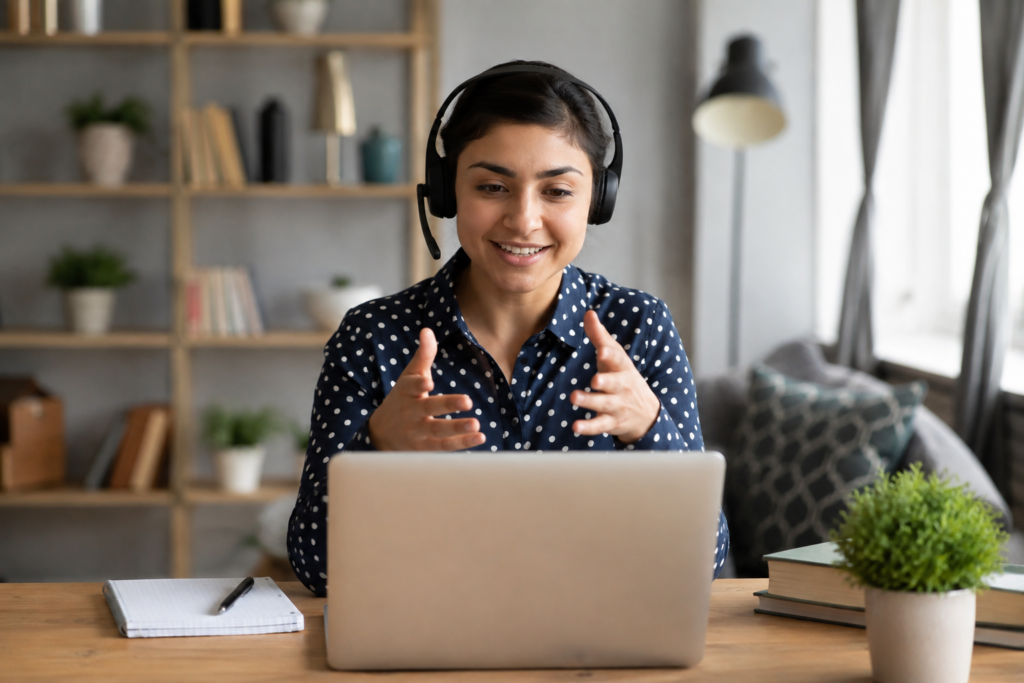
Check your laptop or computer, camera, microphone, speakers, and internet connection before the interview. Open the video meeting application and make sure you know how to join the meeting.
If possible, conduct a test call with a friend or family member. Ask them whether your voice is clear and whether your face is properly visible on camera.
You should also charge your laptop before the interview. If your internet connection is unreliable, consider having a backup option such as mobile internet.
Choose the Right Location
Your interview environment can affect how professional you appear. Choose a quiet and clean place where you are unlikely to be interrupted.
A simple background is usually better than a crowded room. Remove anything distracting from the area visible behind you. Good lighting is also important because the interviewer should be able to see your face clearly.
Natural light from a window can work well, but make sure the light is in front of you rather than directly behind you. If the light is behind you, your face may appear dark on camera.
I believe the goal is not to create a perfect studio. The goal is to create a clean, comfortable, and professional environment where you can concentrate on the conversation.
Dress Professionally
Just because an interview takes place at home does not mean you should dress casually. Your appearance still creates an important first impression.
Wear clothing that is appropriate for the position and company culture. In most professional situations, a clean shirt, blouse, sweater, or formal outfit is a safe choice.
I recommend dressing completely rather than only wearing professional clothing on the upper half of your body. Even though the camera may only show your upper body, being properly dressed can help you feel more prepared and professional.
Avoid clothing with distracting patterns or large graphics. Keep your overall appearance simple and neat.
Prepare Answers to Common Interview Questions
Preparing for common interview questions is one of the best ways to improve your confidence. You should not memorize every answer word for word because that can make your responses sound unnatural.
Instead, prepare key points that you want to communicate.
Common questions may include:
Tell me about yourself.
Why do you want this job?
Why do you want to work for our company?
What are your strengths?
What is one area you are working to improve?
Tell me about a difficult situation you handled.
Where do you see yourself in the future?
Why should we hire you?
Think about your answers before the interview and practice explaining them in your own words.
Practice Speaking to the Camera
During a virtual interview, looking at the camera can help create the feeling of eye contact. This can feel strange at first because you may naturally want to look at the interviewer’s face on the screen.
I suggest practicing this before the actual interview. Record yourself answering a few questions and watch the recording afterward. Pay attention to your voice, facial expressions, posture, and speaking speed.
You may notice habits that you were not aware of, such as speaking too quickly, looking away frequently, or using filler words too often.
Practice can help you become more comfortable without making your answers sound rehearsed.
Pay Attention to Body Language
Body language still matters during an online interview. Sit upright and keep your shoulders relaxed. Try to maintain a natural facial expression and show that you are listening when the interviewer speaks.
Avoid constantly looking at your phone, checking other applications, or moving around unnecessarily.
Small actions can communicate confidence. Nodding occasionally, smiling when appropriate, and maintaining good posture can make your communication feel more natural.
Remember that the interviewer is not only listening to your answers. They are also observing how you communicate.
Keep Your Resume Nearby
It is useful to keep a copy of your resume close to you during a virtual job interview. You can also keep a short list of important achievements, qualifications, projects, or questions you want to ask.
However, do not read your resume while answering questions. The purpose of keeping it nearby is to refresh your memory when necessary.
I recommend using a few simple notes instead of preparing a large script. Short notes are easier to check quickly without making it obvious that you are reading.
Prepare Questions for the Interviewer
At the end of most interviews, the employer gives you an opportunity to ask questions. You should take advantage of this opportunity.
Good questions can show that you are interested in the position and thinking seriously about your future with the company.
You might ask about the team’s working style, the main responsibilities of the position, expectations during the first few months, or opportunities for professional development.
Avoid asking questions that can easily be answered by reading the company’s website. Instead, focus on questions that help you understand the actual role and workplace.
Join the Interview Early
Being late to a virtual interview can create a negative first impression. Technical problems can happen, so I recommend joining the meeting several minutes before the scheduled time.
This gives you an opportunity to check your camera, microphone, lighting, and internet connection one final time.
Do not join extremely early if the platform requires you to wait in a virtual lobby. Around five to ten minutes early is generally enough.
Stay Calm During Technical Problems
Even with excellent preparation, technology can sometimes fail. Your internet might disconnect, your microphone might stop working, or the video platform might experience a problem.
If something goes wrong, try not to panic. Inform the interviewer politely and take reasonable steps to solve the issue.
For example, if your audio stops working, you can communicate through the meeting chat while checking your microphone. If the connection completely fails, try to reconnect promptly.
A technical problem does not automatically ruin an interview. How calmly and professionally you handle the situation can also demonstrate your ability to manage unexpected problems.
Avoid Reading Prepared Answers
One mistake I think candidates should avoid is reading answers directly from notes. It may seem like an easy way to remember everything, but it can make your responses sound unnatural.
Instead, understand the main ideas you want to discuss. If you know your experience well, you will usually be able to explain it naturally.
Your goal should be to have a genuine conversation with the interviewer rather than delivering a memorized speech.
Show Confidence and Authenticity
Confidence does not mean pretending to know everything. In my opinion, real confidence comes from understanding your abilities and being honest about your experience.
If you do not know the answer to a question, take a moment to think. You can explain how you would approach the problem instead of immediately becoming nervous.
Employers understand that candidates may not have every answer. They are often interested in your thinking process, communication skills, attitude, and willingness to learn.
Follow Up After the Interview
Your preparation should not end when the video call finishes. After the interview, take a few minutes to think about how it went.
Consider which questions you answered well and which areas you could improve before your next interview.
A short professional thank you message can also be appropriate. You can thank the interviewer for their time and express your continued interest in the position.
This small step can help you leave a positive final impression.
Final Thoughts
Preparing for a virtual job interview is not complicated, but it does require attention to detail. In my view, the strongest preparation combines technical testing, company research, interview practice, professional appearance, and confident communication.
Make sure your internet connection and equipment work properly. Choose a quiet location, dress professionally, understand the job description, research the company, and prepare thoughtful answers. Most importantly, practice enough to feel comfortable without sounding rehearsed.
A virtual interview gives you an opportunity to show an employer who you are, what you can do, and why you are a good fit for the position. When you prepare properly, you can focus less on the technology and more on having a meaningful conversation.
Remember that you do not need to be perfect. You simply need to be prepared, professional, honest, and confident. With the right preparation and a calm mindset, you can make a strong impression and increase your chances of moving forward in the hiring process.