Related Articles

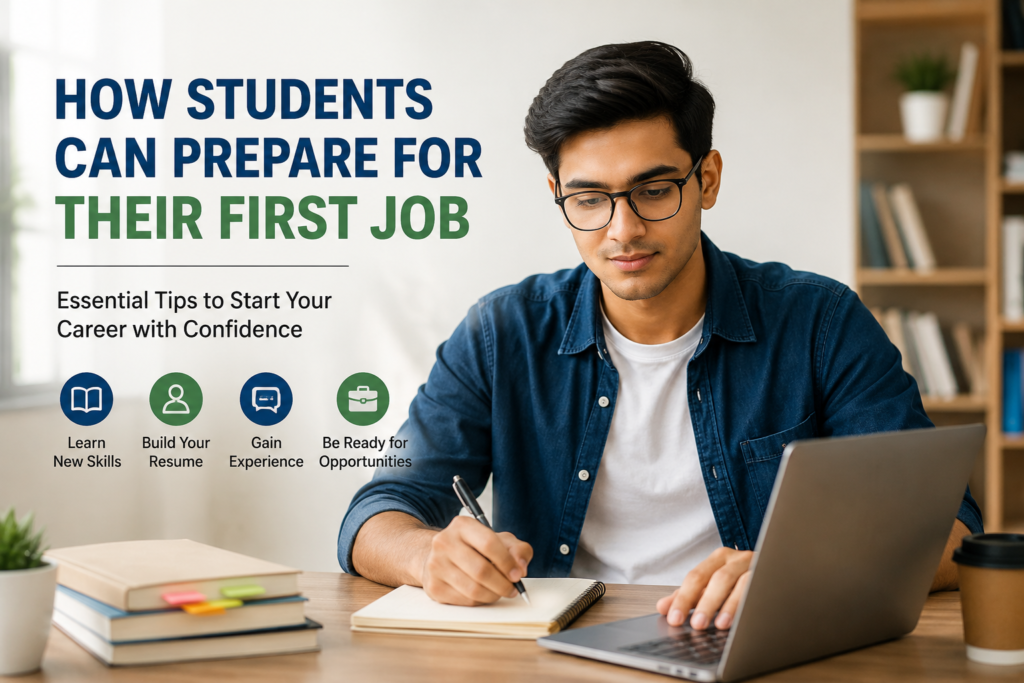
Starting your first job is an exciting step in life. After spending years studying, attending classes, completing assignments, and preparing for exams, entering the professional world can feel completely different. In my opinion, students should not wait until graduation to think about their first job. The best time to prepare for a career is while you are still studying.
Preparing for your first job is not only about creating a good resume. It is also about developing useful skills, gaining experience, improving communication, understanding workplace expectations, and becoming confident enough to handle professional responsibilities. A student who starts preparing early usually feels more comfortable when real job opportunities appear.
In this article, I will share some practical ways students can prepare for their first job and make the transition from student life to professional life easier.
Understand What You Want From Your First Job
The first step is to understand what kind of work interests you. You do not need to have your entire career planned while you are a student, but having a general direction can make preparation much easier.
Think about your favorite subjects, personal interests, strengths, and the type of work you enjoy. If you like technology, you may explore software, web development, data, or digital careers. If you enjoy communication, you may consider marketing, sales, teaching, public relations, or customer service.
I believe students should explore different career options instead of choosing a job simply because other people recommend it. Your first job does not have to be your final career. It should give you experience, knowledge, and an opportunity to discover what you really enjoy.
Build a Strong Resume
A resume is one of the most important tools when preparing for your first job. Many students think they cannot create a good resume because they do not have professional experience. I do not agree with this idea.
Students can include academic achievements, projects, internships, volunteer activities, certifications, relevant coursework, technical skills, leadership activities, and part time experience.
The important thing is to keep your resume clear and relevant. Avoid adding unnecessary information just to make the resume longer. Employers usually want to understand quickly who you are, what you can do, and what value you may bring to their organization.
Before applying for a position, I recommend reading the job description carefully and adjusting your resume to highlight skills related to that particular role.
Develop Communication Skills
Good communication skills can make a major difference in your first job. You may have excellent academic knowledge, but you also need to explain your ideas clearly and communicate professionally with coworkers, managers, and customers.
Students should practice speaking confidently, writing professional emails, participating in discussions, and listening carefully.
One useful habit is to participate in presentations and group projects at college or university. These activities can help you become more comfortable expressing your opinions in front of others.
I also believe that listening is an important part of communication. A good employee does not only speak well. A good employee knows how to understand instructions, ask appropriate questions, and respond respectfully.
Learn Practical Job Skills
Academic knowledge is valuable, but employers also look for practical skills. Students should identify the skills commonly required in their chosen field and start learning them before graduation.
For example, basic computer skills are useful in many careers. Students may also benefit from learning spreadsheet software, presentation tools, project management methods, digital communication, research techniques, or industry specific software.
Online courses, university workshops, tutorials, books, and practical projects can all help.
The goal should not be to collect certificates without learning anything. The real purpose of skill development is to become capable of doing useful work.
Gain Experience Before Graduation
One of the best ways students can prepare for their first job is by gaining experience before they graduate. This could include internships, volunteer work, freelance projects, student organizations, part time work, or personal projects.
Even a small project can teach valuable lessons about deadlines, teamwork, communication, and responsibility.
For example, a student interested in writing can create articles or work on a university publication. A computer science student can develop small applications. A marketing student can help a local business with social media or research.
Experience does not always have to come from a large company. What matters is what you learned and what you can demonstrate.
Create a Professional Online Presence
Today, your online presence can also influence how employers see you. Students should review their public social media profiles and make sure their online behavior represents them professionally.
Creating a professional profile on a career networking platform can also be useful. Students can include their education, skills, projects, certifications, and interests.
I think students should start building a professional network before they need a job. Connect with teachers, classmates, alumni, professionals, and people working in industries that interest you.
Networking is not simply about asking someone for a job. It is about learning, developing relationships, and discovering opportunities.
Practice Job Interviews
A job interview can be stressful, especially when it is your first one. The best way to reduce interview anxiety is preparation.
Students should practice answering common interview questions such as:
“Tell me about yourself.”
“Why are you interested in this position?”
“What are your strengths?”
“What is one area you are trying to improve?”
“Why should we hire you?”
You should not memorize every answer word for word. Instead, understand your own experiences and learn how to explain them naturally.
Practice interviews with friends, teachers, classmates, or family members. You can also record yourself answering questions and notice areas where you can improve.
Learn Workplace Etiquette
College life and professional life are different. At work, small habits can influence how others see you.
Students should learn basic workplace etiquette before starting their first job. This includes arriving on time, communicating respectfully, meeting deadlines, dressing appropriately for the workplace, responding to messages professionally, and accepting feedback.
Being professional does not mean pretending to be someone else. It means understanding that a workplace includes people with different responsibilities, personalities, and expectations.
I believe reliability is one of the most valuable qualities a new employee can develop. If people know they can depend on you, you are already building a strong professional reputation.
Improve Time Management
Students often have multiple assignments, exams, activities, and personal responsibilities. Learning to manage these responsibilities can prepare you for professional life.
At work, you may have several tasks with different deadlines. You need to decide what should be completed first and how much time each task requires.
Start developing this habit while studying. Use a calendar, planner, task list, or digital tool to organize your responsibilities.
Do not simply make a long list of tasks. Give yourself realistic deadlines and review your progress regularly.
Good time management can reduce stress and help you complete work more consistently.
Learn How to Work in a Team
Teamwork is another important skill for students preparing for their first job. Many professional tasks require people to work together.
Group assignments can be frustrating sometimes, but they can also teach valuable lessons. Students learn how to divide responsibilities, discuss different opinions, solve disagreements, and work toward a common goal.
When working in a team, try to be responsible for your part while also supporting other members. Learn to give constructive feedback and accept feedback without taking everything personally.
A workplace is rarely about individual success alone. Strong teamwork can help an entire organization perform better.
Build Confidence Through Small Steps
Confidence is important when starting your first job, but confidence does not mean knowing everything.
As a new employee, you will probably make mistakes and face situations you have never experienced before. That is normal.
Instead of being afraid of making mistakes, focus on learning from them. Ask questions when you do not understand something. Take notes when receiving instructions. Listen to experienced coworkers and learn from their methods.
In my opinion, real confidence comes from preparation and experience. The more you practice useful skills, communicate with people, and complete real projects, the more comfortable you become.
Understand Basic Professional Responsibilities
Before starting your first job, students should understand that employment comes with responsibilities. You are being paid to contribute your time, skills, and effort.
This means taking deadlines seriously, following workplace policies, protecting confidential information, treating coworkers respectfully, and communicating when a problem affects your work.
Students should also learn basic financial habits before earning their first regular salary. Understanding budgeting, saving, expenses, and responsible spending can make the transition to working life easier.
Prepare for the First Day
Once you receive your first job offer, preparation should continue.
Find out where the workplace is located and how long your journey will take. Prepare appropriate clothing, documents, and anything else your employer requests.
Try to arrive early on your first day. Pay attention to introductions and workplace procedures. Keep a notebook with you if possible so you can write down important information.
You do not need to impress everyone immediately. Focus on being polite, attentive, responsible, and willing to learn.
Keep Learning After Getting the Job
Getting your first job is not the end of your preparation. It is the beginning of your professional learning.
The workplace will teach you things that classrooms cannot always teach. You will learn how organizations operate, how teams communicate, how deadlines work, and how professional decisions are made.
Continue developing your skills even after getting hired. Ask for feedback and look for opportunities to improve.
I believe successful careers are built through continuous learning rather than one qualification or one job.
Final Thoughts
Preparing for your first job should begin long before graduation. Students who build useful skills, gain experience, improve communication, create a strong resume, practice interviews, and develop professional habits can enter the workplace with greater confidence.
You do not need to be perfect before getting your first job. Employers understand that new graduates are still learning. What matters is showing that you are responsible, motivated, adaptable, and willing to improve.
From my point of view, the most important thing students can do is start early. Use your time at college or university to experiment, learn new skills, take part in projects, meet people, and discover your strengths.
Your first job is not simply a way to earn money. It is an opportunity to learn how the professional world works and build the foundation for your future career. If you prepare yourself step by step while you are still a student, you can approach your first job with a much stronger sense of confidence and purpose.