
Related Articles
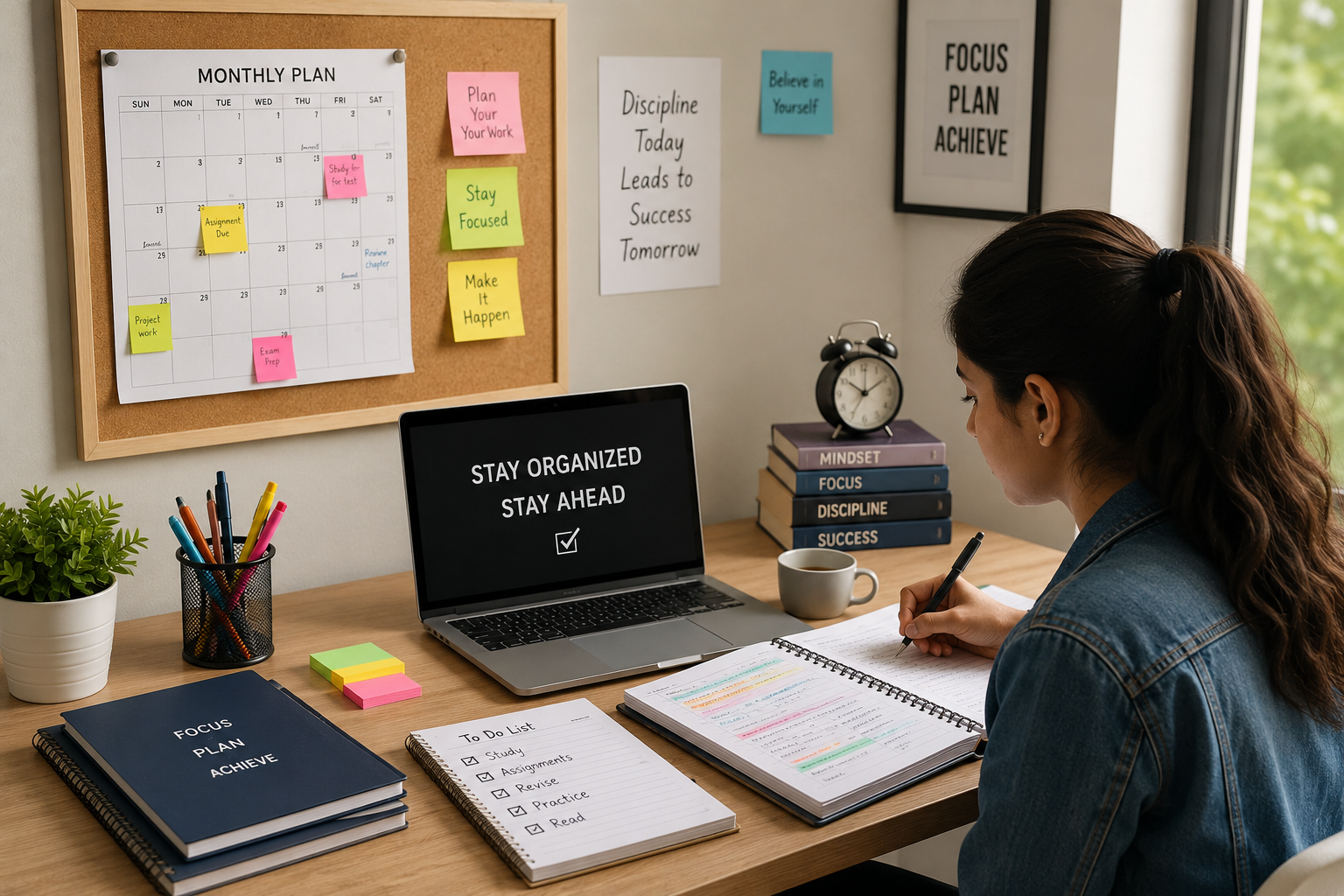


Good presentation skills are important for students because they help us communicate ideas clearly, confidently, and effectively. Whether we are presenting a class project, explaining research, speaking in a seminar, or preparing for a future job interview, the ability to present information well can make a big difference.
In my opinion, presentation skills are not something that only naturally confident people can learn. They are practical skills that improve with preparation, practice, and experience. I have found that when we understand our topic properly and organize our thoughts before speaking, it becomes much easier to communicate with confidence.
Understand Your Topic Before Presenting
The first step to improve presentation skills is to understand the topic properly. Many students make the mistake of preparing slides without actually understanding the information they are going to explain.
When I prepare a presentation, I believe it is better to understand the main ideas instead of memorizing every sentence. If you understand your topic, you can explain it naturally even if you forget a particular line.
Start by researching your subject from reliable sources. Identify the most important facts, examples, and ideas. Then decide what your audience really needs to know. A good presentation does not have to contain every piece of information you found during research.
Your goal should be to make the topic easy for your audience to understand.
Know Your Audience
Knowing your audience is another important part of effective presentation skills. Before creating a presentation, think about who will listen to you.
A presentation for classmates may be different from a presentation for teachers, professionals, or clients. You should consider their level of knowledge, interests, expectations, and the amount of information they can comfortably understand.
For example, if your audience does not know much about your subject, avoid using too many technical terms. Explain important concepts in simple language and use examples that people can easily relate to.
When you understand your audience, you can choose the right language, examples, visuals, and level of detail.
Organize Your Presentation Clearly
A well organized presentation is easier to follow. In my view, every presentation should have a clear beginning, middle, and ending.
Start with a short introduction that tells your audience what you are going to discuss. You can introduce the topic, explain why it matters, and briefly mention the main points.
The main section should contain your most important information. Try to move from one idea to another in a logical order. Avoid jumping between unrelated points because this can confuse your audience.
Finally, finish with a clear conclusion. Summarize the main message and remind your audience of the most important points.
A simple structure can make your presentation feel professional even when the topic is complicated.
Keep Your Slides Simple
Presentation slides should support your speech, not replace it. One common mistake I see is putting too much text on every slide.
If your slides contain large paragraphs, the audience may spend more time reading than listening. Instead, use short points, headings, charts, images, and simple diagrams when they are useful.
Try to keep each slide focused on one main idea. Use readable fonts and make sure the text is large enough for everyone to see.
Your slides should help the audience understand what you are saying. They should not become a script that you read word for word.
Practice Before the Presentation
Practice is one of the best ways to improve presentation skills. Even if you understand your topic very well, speaking in front of people can feel difficult without preparation.
I recommend practicing your presentation several times before the actual event. Start by practicing alone. Then try speaking in front of a friend, family member, or classmate.
During practice, pay attention to your timing, pronunciation, speaking speed, and body language. You can also record yourself using your phone. Watching the recording can help you notice habits that you may not recognize while speaking.
The more you practice, the more familiar the presentation becomes. This can reduce nervousness and help you speak naturally.
Improve Your Speaking Skills
Your voice has a major effect on how people receive your message. Speaking too quickly can make your presentation difficult to understand, while speaking too slowly can make it less interesting.
Try to maintain a comfortable speaking speed. Pause briefly after important points so your audience has time to understand them.
Your tone should also change naturally. Avoid speaking in exactly the same tone from beginning to end. A little variation in volume, speed, and emphasis can make your presentation more engaging.
Clear pronunciation is equally important. Practice difficult words before your presentation and make sure you know how to pronounce important names and technical terms.

Work on Your Body Language
Body language is an important part of communication. Even when your words are good, nervous body language can affect how confident you appear.
Stand comfortably and maintain good posture. Avoid constantly looking at the floor, crossing your arms, or moving unnecessarily.
Eye contact is also important. Instead of looking at your slides all the time, look at different people in the audience. You do not need to stare at one person. Simply move your attention naturally around the room.
Use hand gestures when they feel natural. Good gestures can help emphasize important points, but excessive movement can become distracting.
Build Confidence Gradually
Confidence does not usually appear overnight. It develops through experience.
If you feel nervous before presentations, remember that nervousness is normal. Even experienced speakers can feel nervous before speaking to an audience.
Instead of trying to eliminate nervousness completely, focus on controlling it. Take a few slow breaths before starting. Review your opening sentence and remind yourself that you know your subject.
I believe one of the best ways to build presentation confidence is to start with small opportunities. Speak during class discussions, participate in group activities, or explain a topic to a small group of friends. These experiences gradually make public speaking feel more comfortable.
Avoid Memorizing Everything
Memorizing an entire presentation may seem like a good way to prepare, but it can sometimes create more pressure.
If you forget one sentence, you may become worried that the whole presentation is ruined. Instead, understand the key points and remember the structure of your presentation.
You can use short notes containing keywords to remind yourself of important ideas. This allows you to speak more naturally.
When you understand your subject, you can explain it using your own words. This usually sounds more genuine and engaging than repeating memorized sentences.
Use Stories and Examples
Stories and real life examples can make presentations more interesting. People often remember information more easily when it is connected to something familiar.
For example, if you are presenting about time management, you could explain a common situation involving a student who delays assignments until the last day. Then you can use that example to introduce practical time management techniques.
Examples make abstract ideas easier to understand. They also help create a connection between you and your audience.
However, examples should always support your main topic. Avoid adding stories simply to make the presentation longer.
Manage Presentation Anxiety
Presentation anxiety is common among students. Some people worry about forgetting information, making mistakes, or being judged by others.
One useful approach is to prepare for possible problems. Keep a backup of your presentation, check your equipment before starting, and arrive early if possible.
Before speaking, take a moment to breathe slowly and relax your shoulders. Focus on communicating your message rather than trying to appear perfect.
Remember that small mistakes are normal. If you make a mistake, correct it when necessary and continue. Most audiences are more understanding than we imagine.
Ask for Feedback
Feedback can help you improve presentation skills much faster. After practicing or completing a presentation, ask someone you trust for honest feedback.
Ask questions such as whether your voice was clear, whether the slides were easy to understand, whether you spoke too quickly, and whether your explanation was organized.
Do not take constructive criticism personally. Use it as information that can help you improve your next presentation.
Over time, you will begin to recognize your strengths and weaknesses. This makes your preparation more focused.
Learn to Manage Your Time
Good time management is essential for an effective presentation. If you have been given ten minutes, do not prepare material that requires twenty minutes to explain.
Practice with a timer and check how long each section takes. If your presentation is too long, remove information that is less important instead of rushing through everything.
A well timed presentation feels more professional and gives the audience enough time to understand your message.
Improve Through Every Presentation
Every presentation is an opportunity to learn. Do not judge your presentation only by whether it was perfect.
After finishing, think about what went well and what you could improve. Maybe your introduction was strong but your conclusion was rushed. Maybe your slides looked good but you relied on them too much. Maybe your speaking speed was better than last time.
Write down a few lessons after each presentation. Small improvements repeated over time can lead to major progress.
Final Thoughts
Learning how to improve presentation skills is a gradual process. You do not need to become a perfect speaker immediately. The most important things are understanding your topic, organizing your ideas, practicing regularly, using clear slides, improving body language, and speaking with confidence.
In my opinion, the biggest improvement comes when you stop thinking about presentation as simply standing in front of people and reading information. A good presentation is really about communication. Your job is to take an idea that you understand and make it understandable to someone else.
With regular practice and honest feedback, presentation skills can become one of your strongest academic and professional abilities. The more you present, the more comfortable you become, and the easier it becomes to communicate your ideas with confidence and clarity.