
Related Articles
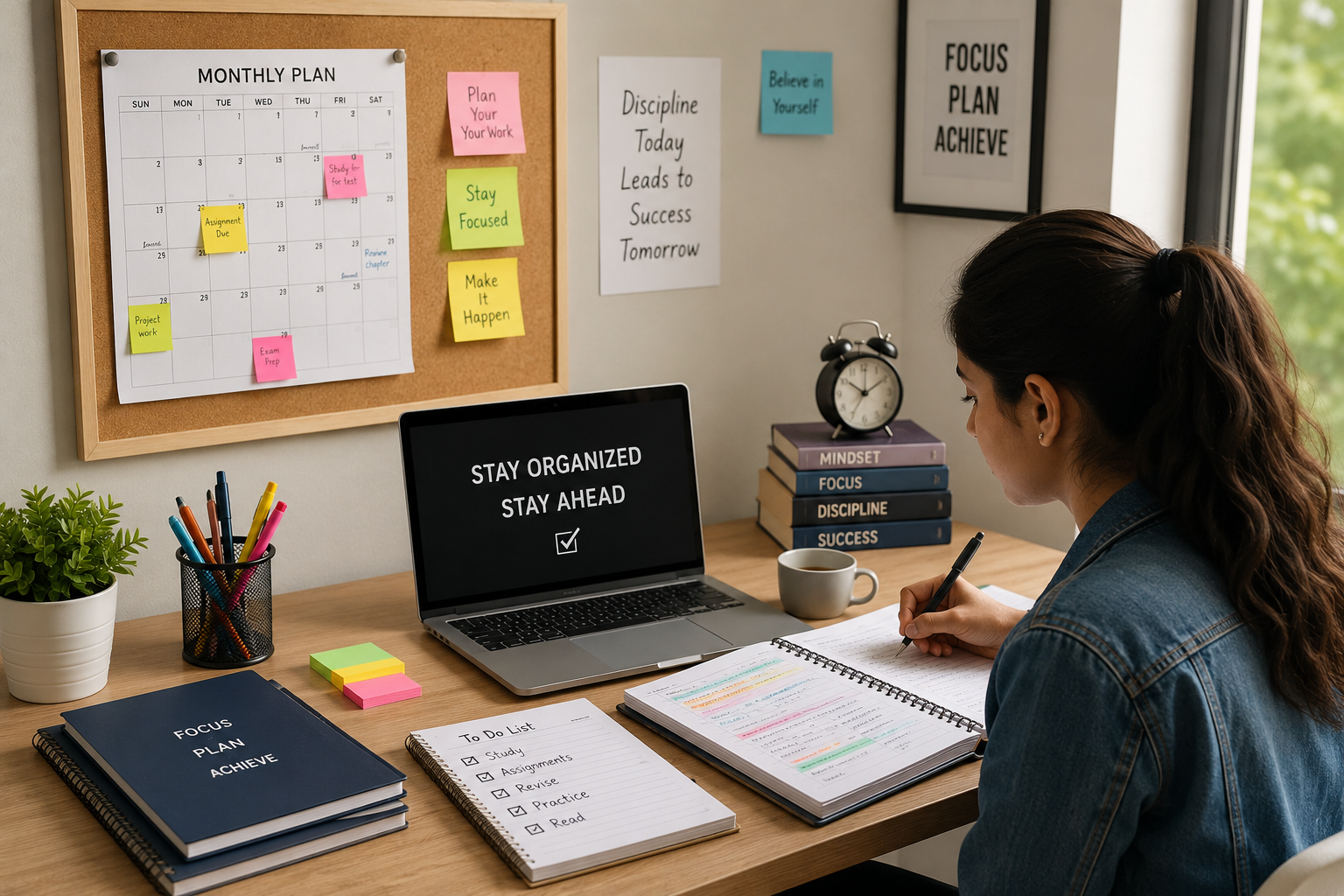


Improving academic performance is not only about studying for long hours or memorizing everything before an exam. In my view, good academic performance comes from using the right study methods, managing time properly, staying consistent, and understanding what you are learning. A student can spend many hours with books but still achieve poor results if those hours are not organized effectively.
I believe every student has the ability to improve academic performance with the right approach. You do not always need to completely change your daily routine. Sometimes, small improvements in your study habits can make a noticeable difference in your grades, confidence, and overall learning experience.
Understand Your Current Academic Performance
The first step to improving academic performance is understanding where you currently stand. Before changing your study routine, look at your recent test results, assignments, attendance, homework, and classroom participation.
Ask yourself a few simple questions. Which subjects are difficult for me? Do I understand the lessons or simply memorize them? Am I completing assignments on time? Do I study regularly or only before examinations?
When you identify your weak areas, it becomes easier to create a practical improvement plan. Instead of spending the same amount of time on every subject, you can give additional attention to the areas where you need the most improvement.
Set Clear Academic Goals
One of the most effective ways to improve academic performance is to set clear goals. A general goal such as “I want better grades” is useful, but a specific goal is easier to follow.
For example, you might decide that you want to improve your mathematics grade from 65 percent to 80 percent. You could also set a goal to complete all assignments at least one day before their deadlines.
I recommend setting both short term and long term academic goals. Short term goals can include completing today’s homework or studying a particular chapter. Long term goals can include improving your semester grade or preparing for an important examination.
Clear goals give your study routine direction and make your progress easier to measure.
Create a Realistic Study Schedule
Time management plays an important role in academic success. Many students struggle because they do not have a consistent study schedule. They may study for several hours one day and then avoid studying completely for the next few days.
A realistic study schedule can solve this problem. Decide when you will study, which subjects you will cover, and how much time you will spend on each subject.
I prefer a balanced schedule instead of studying continuously for many hours. For example, you can study for 45 to 60 minutes and then take a short break. This can help you maintain concentration without feeling mentally exhausted.
Your schedule should also include time for sleep, meals, exercise, family, and relaxation. A good academic routine should support your overall well being rather than making you feel constantly stressed.
Focus on Understanding Instead of Memorizing
Memorization can be useful in some subjects, but understanding concepts is much more valuable for long term academic performance. When you understand why something works, it becomes easier to remember and apply that knowledge.
For example, instead of memorizing a mathematical formula without understanding it, try to learn how and why the formula works. In science, understand the process behind a concept instead of simply remembering definitions.
I have found that asking questions is one of the easiest ways to improve understanding. Ask yourself what, why, how, and when. These questions can turn passive reading into active learning.
Use Active Learning Techniques
Active learning means becoming involved with the material instead of simply reading it repeatedly. There are several techniques that can make studying more effective.
After reading a topic, close your book and explain the main idea in your own words. You can also create questions from your notes and answer them without looking at the textbook.
Practice tests are another useful method. They help you discover what you actually remember and which topics require additional study.
Making simple diagrams, concept maps, flashcards, and summaries can also improve learning. The best technique depends on the subject and your personal learning style.
Take Better Notes in Class
Good notes can make revision much easier. You do not need to write every word your teacher says. Instead, focus on important concepts, examples, definitions, formulas, and explanations.
I recommend keeping your notes organized by subject and topic. Use headings and short explanations so that you can quickly find information when preparing for examinations.
Reviewing your class notes on the same day can also be helpful. Even 10 or 15 minutes of review can strengthen your memory and help you identify questions while the lesson is still fresh in your mind.
Avoid Distractions While Studying
Distractions are one of the biggest obstacles to academic performance. Smartphones, social media, games, television, and unnecessary internet browsing can easily turn a one hour study session into several hours of limited progress.
Before starting your study session, remove unnecessary distractions. Put your phone away or use a focus mode if you need it for educational purposes.
Your study environment also matters. A clean desk, comfortable chair, proper lighting, and organized study materials can help you concentrate better.
The goal is not to eliminate every enjoyable activity from your life. Instead, create specific periods for studying and specific periods for entertainment.
Improve Your Reading Habits
Reading effectively is an important academic skill. Instead of reading every chapter from beginning to end without stopping, try to preview the material first.
Look at the headings, important terms, diagrams, and questions. Then read the material carefully and identify the main ideas.
After finishing a section, ask yourself what you learned. Try to explain the information without looking at the book.
This approach can improve comprehension and make revision easier later.

Complete Assignments on Time
Assignments are not only tasks that teachers give students for grades. They are opportunities to practice what you have learned.
Leaving assignments until the last minute can create unnecessary pressure and reduce the quality of your work. I believe completing smaller parts of an assignment over several days is much better than trying to finish everything in one night.
Write down your deadlines and divide larger projects into smaller tasks. This makes difficult assignments feel more manageable.
Ask Teachers for Help
There is nothing wrong with asking for help when you do not understand something. In fact, asking questions is an important part of learning.
If a lesson is confusing, speak with your teacher after class or during an appropriate time. Explain exactly which part you do not understand.
You can also study with classmates or use reliable educational resources to learn difficult concepts from another perspective.
Getting help early is especially important. A small misunderstanding can become a much bigger problem when later lessons depend on the same concept.
Develop a Regular Revision Routine
Regular revision is much more effective than trying to learn everything immediately before an examination. When you review information regularly, you give your brain more opportunities to remember it.
Instead of waiting until exam week, review important topics throughout the semester. You can spend a short amount of time revising previous lessons before beginning new material.
Create a revision plan based on your subjects and examination dates. Give more time to difficult topics while continuing to review subjects you already understand.
Get Enough Sleep
Sleep is often ignored when students are trying to improve academic performance. Some students believe that staying awake late at night will give them more study time. However, being tired can make it harder to concentrate, understand information, and remember what you studied.
A consistent sleep routine can help you feel more alert during classes and study sessions.
Instead of sacrificing sleep for unnecessary late night studying, plan your work earlier in the day whenever possible. Good academic performance requires both effective study and proper rest.
Take Care of Your Physical Health
Your physical health can also influence your ability to study. Regular movement, nutritious meals, enough water, and proper rest can support concentration and energy.
You do not need an extreme fitness routine. Even walking, stretching, or participating in a sport can provide a useful break from studying.
I believe students should treat their health as part of their academic routine rather than something separate from education.
Build Consistency Instead of Depending on Motivation
Motivation can change from day to day. Some days you may feel highly motivated to study, while on other days you may not feel like opening a book.
This is why consistency is more important than motivation.
Create simple habits that you can follow even when you do not feel motivated. Studying for a reasonable amount of time every day can produce better results than occasional long study sessions.
Small daily progress eventually becomes significant academic progress.
Learn From Your Mistakes
Poor grades do not necessarily mean that you are incapable of learning. They can show you where your current approach needs improvement.
After receiving a test or assignment, review your mistakes. Were they caused by poor preparation, misunderstanding, careless errors, or lack of time?
Once you know the reason, you can make a better plan for the next assessment.
I consider mistakes a valuable part of education because they show us what needs more attention.
Stay Positive and Be Patient
Academic improvement does not always happen immediately. You may work hard for several weeks before seeing a major change in your grades.
Do not become discouraged by slow progress. Focus on improving your habits rather than comparing yourself constantly with other students.
Every student has different strengths, challenges, learning speeds, and circumstances. Your main competition should be with your previous performance.
Final Thoughts
In my opinion, improving academic performance is a combination of smart study techniques, good time management, healthy habits, and consistent effort. You do not need to study every hour of the day to become a better student.
Start by identifying your weak areas, setting realistic goals, creating a study schedule, avoiding distractions, understanding concepts, practicing regularly, and asking for help when necessary. At the same time, give proper attention to sleep, physical health, and mental relaxation.
The most important thing is to build a routine that you can maintain. Academic success is usually not created by one extraordinary study session. It is built through many small actions repeated consistently.
If you stay organized, learn from your mistakes, and continue improving your study habits, you can gradually improve academic performance and become a more confident and effective learner.