
Related Articles
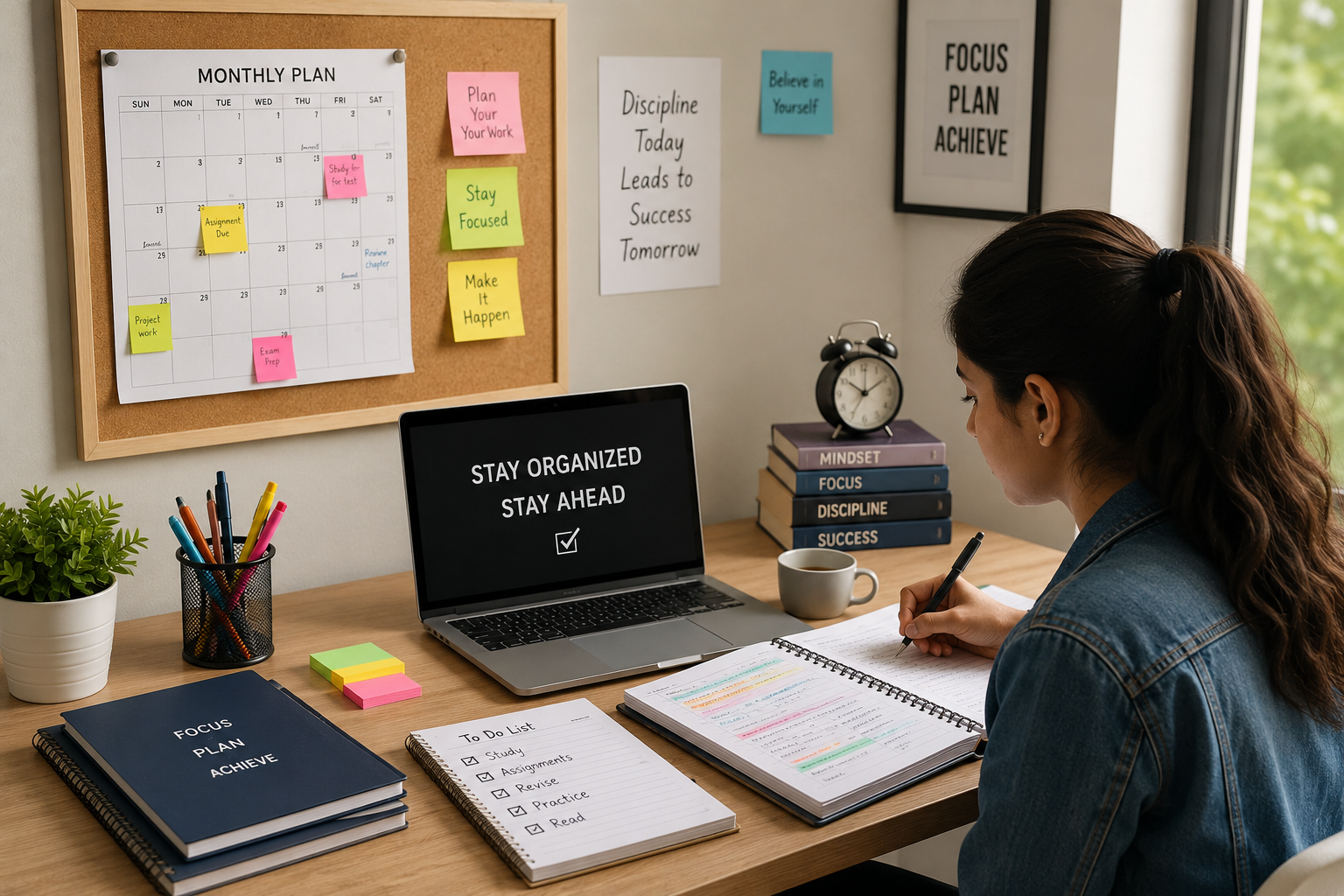


Staying focused while studying is something many students struggle with. I have noticed that the biggest problem is usually not a lack of intelligence or ability. The real problem is distraction. A phone notification, social media, a noisy room, or even random thoughts can quickly take our attention away from what we are trying to learn.
In my opinion, studying effectively is less about spending many hours with a book and more about using those hours properly. If we can train ourselves to concentrate for a reasonable amount of time, we can learn more without feeling completely exhausted.
In this article, I will share some practical tips that I believe can help anyone improve focus while studying and build better study habits.
Why Is It Difficult to Stay Focused While Studying?
Before learning how to improve concentration, it is important to understand why our attention disappears so easily.
Modern life is full of distractions. We have smartphones, social media, videos, messages, games, and countless websites competing for our attention. When we sit down to study, our brain may naturally look for something easier or more entertaining.
Another common problem is studying without a clear purpose. If I open a book without knowing what I want to complete, I can easily lose interest. A simple and specific goal makes studying feel more manageable.
Tiredness can also affect concentration. When we do not sleep properly, skip meals, or study for many hours without breaks, our ability to focus can decrease.
For this reason, staying focused while studying requires more than simply telling yourself to concentrate. You need to create an environment and routine that make concentration easier.
Set a Clear Study Goal
One of the first things I recommend is setting a clear goal before starting a study session.
Instead of saying, “I will study mathematics,” make the goal more specific. For example, you could decide to complete two chapters, understand a particular topic, or solve twenty practice questions.
A clear goal gives your study session direction. It also gives you a sense of progress when you finish the task.
I personally find that smaller goals are easier to complete than large and unclear ones. When a task feels too big, the mind can become overwhelmed. Breaking it into smaller parts makes it easier to start and continue.
Create a Distraction Free Study Environment
Your study environment can have a major effect on your concentration.
Try to study in a clean and organized place where you can sit comfortably. Keep only the things you need on your desk. Too many unnecessary objects can become distractions.
If possible, choose a place where people are less likely to interrupt you. Some students prefer libraries, while others concentrate better at home. The best place is the one where you can study comfortably without constantly checking what is happening around you.
Lighting is also important. A well lit room can make reading more comfortable and help you stay active.
Keep Your Phone Away
For many students, the smartphone is one of the biggest obstacles to concentration.
Even if you do not receive a notification, knowing that your phone is nearby can tempt you to check it. I believe the simplest solution is to keep the phone away from your study area.
You can put it in another room, inside a bag, or somewhere that is not within easy reach. If you need your phone for studying, turn off unnecessary notifications and use only the applications you need.
Social media can easily turn a five minute break into thirty minutes. This is why controlling phone use is one of the most useful ways to stay focused while studying.
Use Short Study Sessions
Studying continuously for several hours may sound productive, but it does not always produce good results.
I prefer dividing study time into smaller sessions. You can study for around twenty five to fifty minutes and then take a short break. During the break, stand up, drink water, stretch, or simply relax for a few minutes.
Short study sessions can make difficult subjects feel easier. Instead of thinking about studying for the entire day, you only need to focus on the current session.
The important thing is to make your breaks controlled. A short break should not become an opportunity to spend an hour scrolling through social media.
Avoid Multitasking
Many students believe they can study while watching videos, chatting with friends, and checking social media. In reality, this can make studying much less effective.
When we constantly switch between tasks, our attention has to move from one activity to another. This can make it harder to understand and remember information.
When I study, I try to give my full attention to one subject at a time. If I am reading biology, I focus on biology. If I am solving mathematics questions, I focus on the questions.
Single tasking may feel slower at first, but it can help you complete your work with better understanding.
Study Actively Instead of Just Reading
Another useful way to improve focus is to make studying active.
Simply reading the same page again and again can become boring. Instead, try asking yourself questions about what you are learning.
After reading a section, close the book and explain the main idea in your own words. You can also create notes, solve practice questions, make flashcards, or teach the topic to someone else.
Active learning keeps your mind involved. When your brain has a task to perform, it becomes easier to maintain attention.
In my experience, understanding something is much easier when I interact with the information instead of simply looking at it.
Take Proper Breaks
Breaks are not a waste of study time. They can actually help you maintain concentration.
If you study continuously without resting, your mind can become tired. After some time, you may continue looking at your notes without actually understanding them.
A short break allows your mind to recover. You can walk around the room, stretch your body, drink water, or look outside for a few minutes.
Try to avoid activities that are extremely difficult to stop, such as watching short videos or playing games. These activities can make it harder to return to your books.
Get Enough Sleep
Sleep plays an important role in learning and concentration.
Many students stay awake late at night before an exam because they believe extra study hours will automatically lead to better results. I do not think this is a good long term strategy.
When you are extremely tired, it becomes harder to pay attention and process new information. A good study routine should include enough rest.
Try to maintain a consistent sleep schedule, especially during exam preparation. Studying with a fresh mind is often more productive than forcing yourself to study when you are exhausted.

Eat Well and Stay Hydrated
Your body also affects your ability to concentrate.
If you are hungry or dehydrated, you may find it difficult to focus on your studies. Keep water nearby and try to eat balanced meals.
You do not need complicated foods or expensive products to support your study routine. Simple nutritious meals and regular water intake can help you feel more comfortable and alert.
I also recommend avoiding extremely heavy meals immediately before a long study session because they may make you feel sleepy.
Deal With Random Thoughts
Sometimes the problem is not your phone or your surroundings. Your own thoughts can become the distraction.
While studying, you may suddenly remember something you need to do, think about a conversation, or start worrying about the future.
Instead of trying to force every thought out of your mind, keep a small notebook nearby. When a distracting thought appears, write it down and return to your studies.
This simple technique can help clear your mind because you know the thought has been recorded and can be handled later.
Use a Study Schedule
A study schedule can make it easier to stay focused because you already know what you need to do.
You do not need a complicated timetable. A simple schedule can include your subjects, study sessions, breaks, meals, and sleep.
Try to place difficult subjects during the time when you feel most energetic. For some people, this is morning. For others, it may be afternoon or evening.
The important thing is consistency. Following a realistic schedule every day is usually better than creating a perfect schedule that becomes impossible to follow.
Reward Yourself After Completing Tasks
Small rewards can make studying more enjoyable.
After completing a study goal, you can take a break, enjoy a snack, listen to music, or spend some time doing something you like.
The reward should come after the task, not before it. If you start watching videos before studying, it may become difficult to stop.
I believe that creating this simple connection between effort and reward can make it easier to build discipline.
Do Not Expect Perfect Focus
One thing I have learned is that nobody can stay perfectly focused all the time.
There will be days when your concentration is excellent and days when your mind keeps wandering. This is normal.
The goal is not to become a person who never gets distracted. The goal is to notice when you lose focus and gently return to the task.
If you spend ten minutes studying and then realize you have been distracted, do not give up on the entire session. Simply return your attention to the book and continue.
Progress comes from repeating this process.
Final Thoughts
Learning how to stay focused while studying is a skill that improves with practice. You do not need extraordinary discipline or a perfect study environment to become more productive.
Start with simple changes. Set a clear study goal, keep your phone away, choose a comfortable study space, avoid multitasking, use short study sessions, take proper breaks, and get enough sleep.
Most importantly, be patient with yourself. Building concentration does not happen overnight. The more consistently you practice focused studying, the easier it can become.
In my opinion, successful studying is not about sitting at a desk for the longest possible time. It is about giving your attention to the right task and making the most of the time you have. When you develop this habit, studying can become more organized, less stressful, and much more productive.