
Related Articles
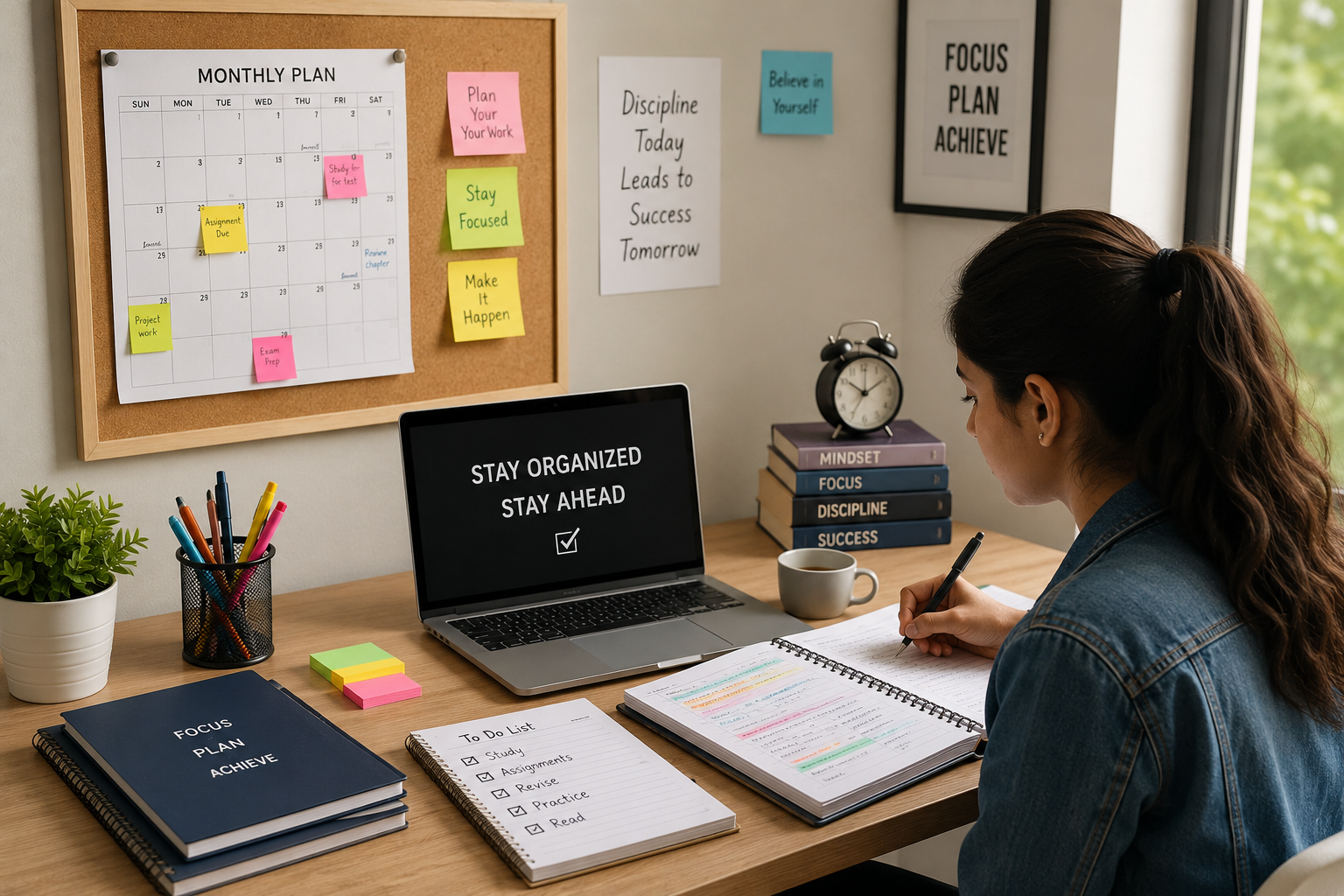


Preparing for an important exam can feel stressful, especially when the result matters a lot to you. I have found that exam preparation becomes much easier when I stop thinking about the exam as one huge task and divide everything into smaller and manageable steps. Good exam preparation is not only about studying for long hours. It is about knowing what to study, making a realistic study plan, practicing regularly, and keeping your mind fresh.
In my opinion, the biggest mistake students make is waiting until the last few days before an exam. When we start early, we have enough time to understand difficult topics, revise important information, practice questions, and improve our weak areas. In this article, I will share some practical ways to prepare for an important exam and make the whole process more organized.
Understand Your Exam First
Before starting your preparation, I believe it is important to understand the exam itself. Look at the syllabus and find out exactly which subjects, chapters, topics, and question types you need to prepare.
Many students open their books and start studying without knowing what is actually important. This can waste a lot of time. I prefer to begin by making a simple list of all the topics included in the exam. Then I divide them into three categories: topics I already understand, topics that need more practice, and topics that I find difficult.
This simple method gives me a clear picture of where I need to spend my time. It also makes exam preparation less confusing because I know what I am working toward.
Make a Realistic Study Plan
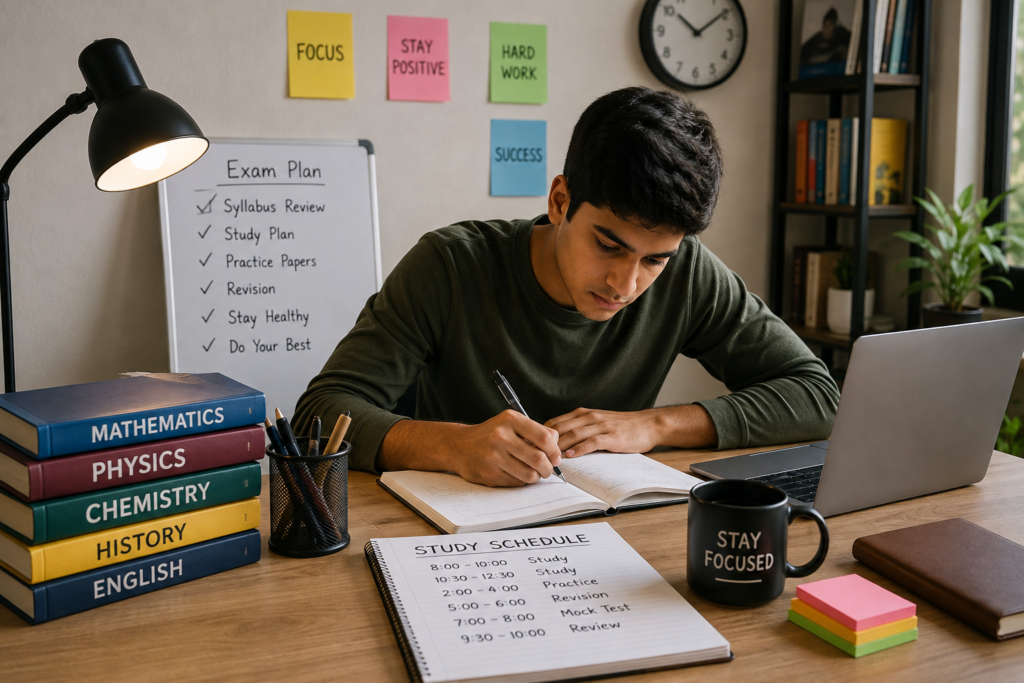
A good study plan can make a major difference in exam preparation. However, I do not recommend creating a schedule that is impossible to follow. If you plan to study for ten or twelve hours every day but normally struggle to study for three hours, you may lose motivation quickly.
Instead, create a realistic study schedule based on your daily routine. Give more time to difficult subjects and slightly less time to topics you already understand.
For example, you might study mathematics in the morning, review science in the afternoon, and practice questions in the evening. You can also include short breaks between study sessions.
The goal of a study plan is not to make your day stressful. The goal is to help you use your time wisely.
Start With Difficult Topics
I personally believe that difficult topics should not be ignored. It is tempting to spend hours studying subjects that already feel easy because it gives us a feeling of progress. However, this does not solve the areas where we actually need improvement.
When I prepare for an important exam, I try to identify my weakest topics as early as possible. I then spend extra time understanding them.
If a chapter is difficult, do not simply read it repeatedly. Try to understand the basic concept first. Watch an educational explanation if necessary, read another source, ask a teacher, or solve simple questions before moving to harder ones.
Understanding a difficult topic can take time, but once the concept becomes clear, revision becomes much easier.
Use Active Study Methods
Simply reading a textbook again and again is not always the best way to prepare for an exam. I have found that active study methods help me remember information better.
After reading a topic, close the book and try to explain what you remember in your own words. You can write short notes, answer questions, create flashcards, or teach the concept to someone else.
Practice questions are also extremely useful. They show whether you actually understand a topic or only recognize the information while reading it.
For subjects that require calculations, solve problems without looking at the solution immediately. For theory based subjects, try writing answers from memory.
The more actively you use the information, the stronger your understanding becomes.
Take Practice Tests
Practice tests are one of the most useful tools for important exam preparation. They help you become familiar with the exam format and show you how well you can perform under time pressure.
I recommend taking practice tests after completing a reasonable portion of the syllabus. Try to create an environment similar to the real exam. Sit somewhere quiet, set a timer, and avoid using your phone or notes.
After finishing the test, do not only look at your score. Study your mistakes carefully. Ask yourself why you made each mistake. Was the concept unclear? Did you misunderstand the question? Did you run out of time? Did you make a careless calculation?
Understanding your mistakes is often more valuable than simply knowing your marks.
Revise Regularly
Revision is an important part of effective exam preparation. Studying something once does not guarantee that you will remember it during the exam.
I prefer to revise topics several times instead of trying to memorize everything in one long session. After learning a topic, review it later and test yourself again.
You can make short revision notes containing formulas, definitions, important facts, dates, concepts, and common mistakes. These notes can become very useful when the exam gets closer.
During the final days, you should not have to read every page of every textbook again. Your earlier preparation should allow you to focus on important points and areas that still need attention.
Avoid Last Minute Cramming
Last minute studying can sometimes help you remember a few facts, but relying completely on it can create unnecessary stress. When you try to learn a large amount of information in one night, your brain may struggle to process and remember everything.
I believe it is better to spread your study sessions across several days or weeks. This gives you more opportunities to review the same information.
If you have already prepared well, the final day should mainly be used for light revision, organizing your materials, and getting mentally ready for the exam.
Take Care of Your Sleep
Sleep is often ignored during exam preparation, but I think it is one of the most important parts of the process. Staying awake all night may seem productive, but being extremely tired can make it difficult to concentrate and remember information.
Try to maintain a regular sleeping schedule while preparing for an important exam. A rested mind can focus better and handle difficult questions more calmly.
The night before the exam, avoid studying until very late if possible. Prepare your required materials and get enough rest so you can arrive at the exam feeling alert.
Eat Well and Stay Hydrated
Your body also needs energy during exam preparation. You do not need a complicated diet, but eating balanced meals and drinking enough water can help you maintain your energy throughout the day.
I try not to depend too heavily on sugary snacks or excessive caffeine while studying. A simple meal with nutritious foods can be a better choice when you need steady energy.
Keep water near your study area and take regular breaks to move around. Small healthy habits can make long study sessions more comfortable.
Remove Distractions
One of the biggest challenges during exam preparation is distraction. A phone can turn a short break into an hour without you realizing it.
When I need to concentrate, I prefer keeping unnecessary devices away from my study area. If I need my phone for studying, I turn off notifications and avoid opening unrelated apps.
Your study environment does not have to be perfect. It simply needs to help you focus. A clean desk, comfortable chair, good lighting, and organized books can make studying easier.
Ask for Help When You Need It
There is nothing wrong with asking for help. Sometimes we spend too much time trying to understand something alone when a teacher, classmate, tutor, or reliable educational resource could explain it in a few minutes.
If you have been stuck on the same topic for a long time, ask someone for guidance. However, make sure you still understand the explanation yourself. The goal is not just to get an answer. The goal is to learn how to reach the answer.
Manage Exam Stress
Feeling nervous before an important exam is completely normal. The problem starts when stress becomes so strong that it prevents you from studying effectively.
When I feel overwhelmed, I try to focus only on the next task instead of thinking about the entire syllabus at once. Completing one chapter, one practice test, or one revision session feels much more manageable.
Simple activities such as taking a short walk, stretching, breathing slowly, or talking to someone you trust can also help you relax.
Remember that one exam does not define your entire ability or future. Your goal should be to prepare properly and give your best effort.
Prepare Everything Before Exam Day
The day before the exam, make sure everything you need is ready. Check your stationery, identification documents, calculator if permitted, exam location, and any other required materials.
Knowing that everything is prepared can reduce unnecessary anxiety on exam morning.
I also recommend checking the exam time carefully and planning how you will reach the location. Arriving late can increase stress before you even see the first question.
Read Questions Carefully
Preparing for an important exam does not end when you enter the examination room. Your approach during the exam also matters.
Read every question carefully before answering. Do not rush simply because other students are writing quickly. Sometimes a small word in a question can completely change what it is asking.
If you find a difficult question, stay calm. Move to another question if the exam rules allow it and return later. Spending too much time on one question can prevent you from completing easier questions.
Stay Confident in Your Preparation
Confidence does not mean believing that you will never make a mistake. Real confidence comes from knowing that you have prepared seriously.
When I have studied consistently, practiced questions, revised my weak areas, and taken care of my health, I feel much more confident entering the exam room.
Do not compare your preparation with someone else’s. Every student has a different learning speed, routine, and set of challenges. Focus on improving your own performance.
Final Thoughts
Preparing for an important exam is much easier when you have a clear strategy. Start by understanding the syllabus, create a realistic study plan, focus on difficult topics, use active study techniques, practice with tests, and revise regularly.
At the same time, do not forget the importance of sleep, healthy meals, breaks, and a calm mindset. Studying for more hours does not always mean studying better. The quality of your preparation matters more than simply counting the hours.
In my opinion, the best exam preparation is a combination of consistency, smart study methods, practice, and self discipline. You do not need to know everything perfectly from the beginning. You simply need to keep moving forward and improve a little every day.
When exam day arrives, trust the preparation you have completed. Read the questions carefully, manage your time, stay calm, and give your best effort. An important exam can be challenging, but with proper planning and consistent preparation, you can approach it with much greater confidence.